Bohemian Shepherd
A medium-sized Czech sheepdog that needs engaged daily care, thoughtful activity, coat maintenance, and clear health records.
How these guides are researched and reviewed
- Origin
- Czech Republic; Chodský pes
- Coat
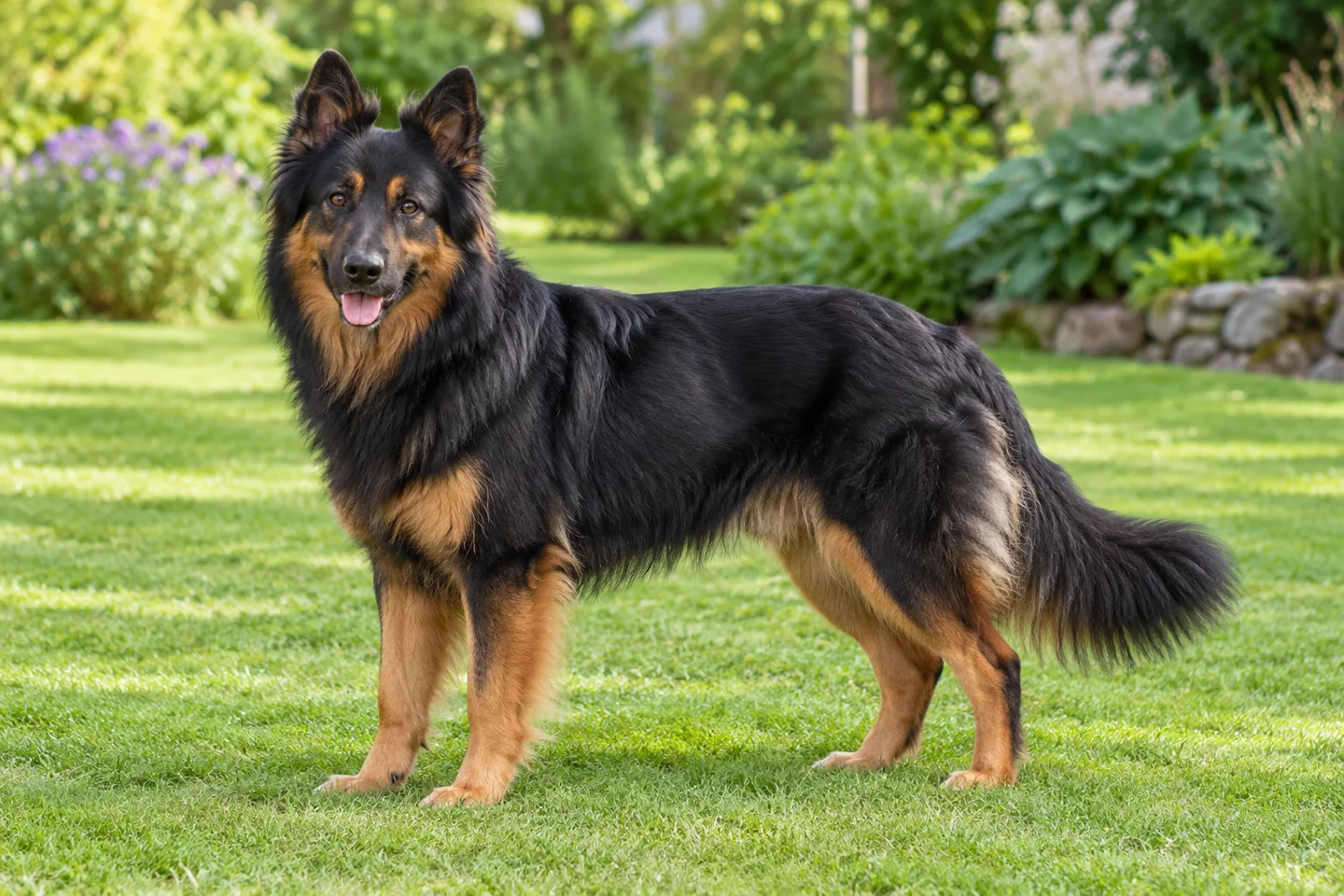
- Long black-and-tan double coat
- Care priorities
- Shepherd activity, coat inspection, identifiable health reports
General information for owners. These articles have not been reviewed by a veterinarian. Medical decisions need your dog's history and an examination.
A Bohemian Shepherd in everyday life
A Bohemian Shepherd suits a home that wants an active partner and can provide instruction, company, and a predictable routine. Its sheepdog appearance can make people expect instant obedience, but useful household behavior still needs teaching. Look at the actual time available for walks, grooming, and quiet training before choosing a puppy. A garden supplies somewhere to move; it does not explain how to pass another dog, settle during dinner, or wait while someone opens the front door.
Meet adults where possible and ask owners what ordinary weekdays involve. Observe how the dogs recover after excitement and how they respond when an unfamiliar person approaches. A show, working demonstration, or attractive photograph reveals only part of the picture. Family history and the individual's experience affect suitability. If you prefer adopting an adult, detailed foster observations can answer practical questions about visitors, other pets, and time alone more clearly than an estimate based on breed alone.
Czech identity and historical evidence
The Bohemian Shepherd is also called the Chodský pes and comes from the Czech Republic. It is a distinct breed, rather than a small German Shepherd or a long-coated color variety of another shepherd. Its name connects it with the Chodsko region. The FCI standard discusses historical descriptions and illustrations of local sheepdogs while explicitly distinguishing that evidence from proof of the ancestry of today's dogs. That distinction matters when a seller presents a romantic origin story as documented pedigree.
Modern identification should rest on reliable records when they exist. For a rescue without a known pedigree, acknowledge that a black-and-tan shepherd appearance does not prove a specific breed. Several dogs and crosses share some of those features. Uncertain ancestry need not prevent a good adoption decision, but it changes what can honestly be predicted. Evaluate the dog's behavior, health, physical needs, and history directly. A dramatic historical label offers little help when planning tomorrow's walk or deciding who can safely handle the dog.
Appearance and sound movement
This is a medium-sized sheepdog with a long coat, an undercoat, relatively small upright ears, and black coloring with tan markings. Those features distinguish the breed visually, but daily care should prioritize comfortable function. Watch the dog walk, turn, lie down, and rise. Its movement should not be judged only during an exciting run. An owner needs to notice a shortened stride or reluctance to jump before assuming the dog is simply being uncooperative or has lost interest in an activity.
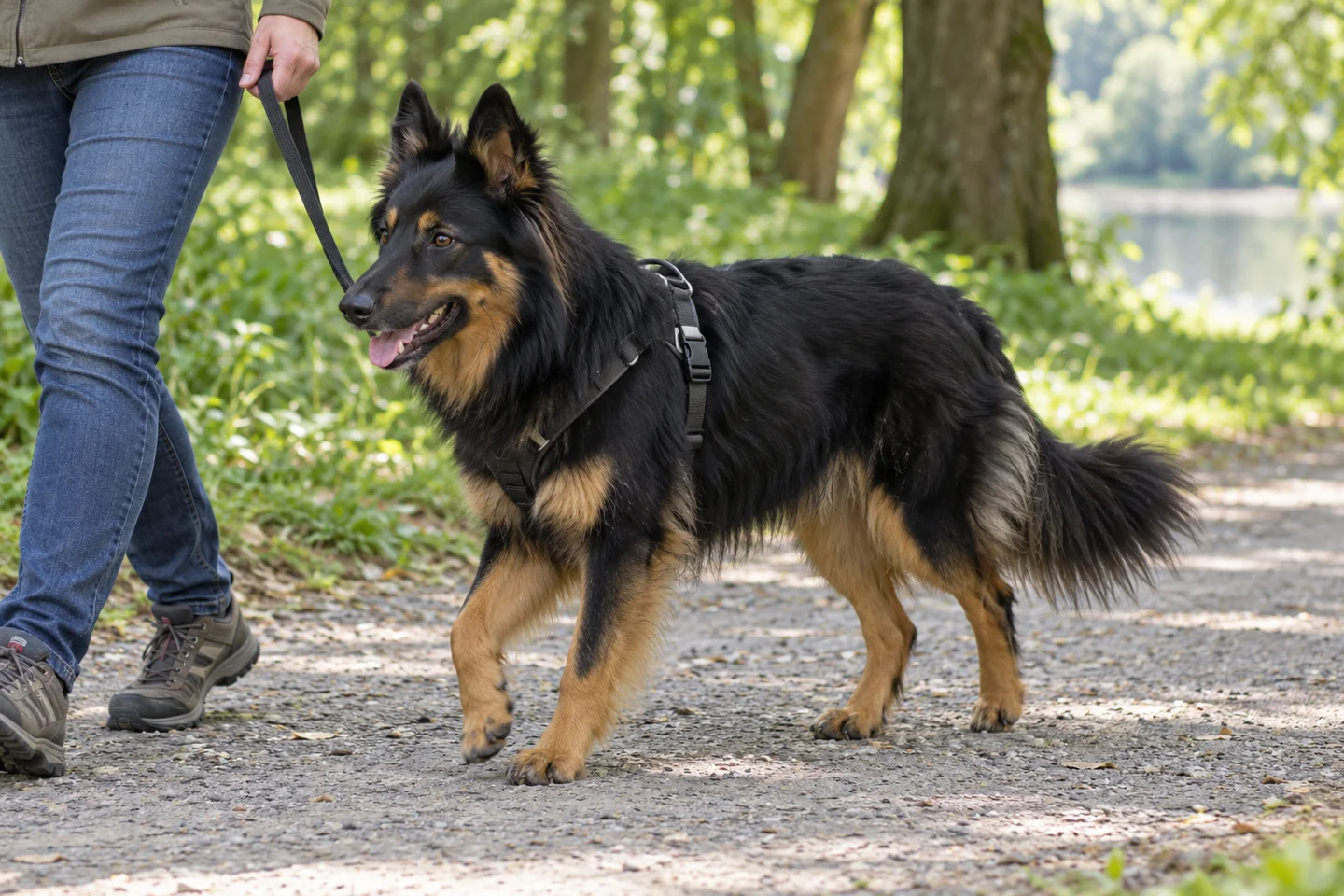
Fit a harness and collar to the individual, checking beneath the coat for rubbing and pressure. Thick hair can hide changes in body condition as well as poorly positioned straps. Provide a resting place where the dog can stretch and a vehicle arrangement that prevents it from moving into the driver's space. Young dogs outgrow equipment, while older dogs may need changes for comfort. Reassess fit after growth, weight change, or a coat trim rather than assuming the original size will always work.
Alertness and the home routine
An attentive dog may notice footsteps, dogs outside a window, or the arrival of a delivery before its owner does. Decide what you want it to do after noticing. Reward returning toward you, standing away from the door, or settling behind a barrier. If the dog spends long periods barking through glass or fencing, reduce access and work at an easier distance. Repeated opportunities to rehearse the same intense response rarely teach the quieter alternative a household wants.
Give visitors an understandable routine as well. Some dogs welcome contact, while others need time and distance before approaching. Ask guests to let the dog choose whether to come nearer, and provide a place to retreat. A separate room or gate can make a busy gathering easier for everyone. Avoid asking the dog to accept hugging, looming, or repeated touching as a test of temperament. Ordinary hospitality can include keeping the dog comfortably apart while people eat and move around.
Children and movement around the dog
An active shepherd can find running, squealing children exciting. Manage that situation before chasing or grabbing clothing becomes a familiar game. Give children a clear route away from the dog and adults a reliable way to separate play areas. Teach the dog to come to an adult and reward calmer participation at a suitable distance. A child should never have the job of stopping an overexcited dog physically or deciding whether a growl is serious enough to ask for help.
Protect resting dogs and supervise shared time closely. Children should avoid pulling coat, taking food, climbing onto a bed beside a sleeping dog, or restraining it for affection. Teach gentle interaction by demonstrating it, then keep sessions short enough that the dog can leave willingly. The family's own children and visiting children may create different situations. Update the plan as the puppy grows or the children become more mobile. Past patience cannot substitute for supervision during the next interaction.
Dogs, cats, and shared space
A sociable Bohemian Shepherd may enjoy another dog's company, but compatibility depends on both animals. Introduce them where there is room to move without crowding, with a handler for each dog. Watch for mutual pauses and the ability to look away. Avoid making the first encounter a competition for toys or attention in a narrow room. At home, separate meals and offer enough beds so neither dog must displace the other to find a comfortable place.
Cats need safe routes and areas unavailable to the dog. Do not rely on a cat to correct chasing, particularly when the dog is excited by movement. Arrange barriers and reward the dog for calm observation at a distance. Previous familiarity with one cat does not establish safety with unfamiliar animals outdoors. For rabbits, poultry, and other small animals, use secure physical separation. Ask about actual experience when evaluating an adoption, including what happened and under what supervision, rather than accepting a broad compatibility label.
Aggression and recognizing discomfort
A dog can bark, freeze, growl, snap, or bite for several reasons. The useful response is to protect people and animals, then investigate the circumstances. Note whether an incident followed handling, approach to a bed, a startling noise, or pressure from another dog. Avoid deliberately repeating the situation to see what happens. Pain and illness can affect behavior, so a new or worsening reaction deserves veterinary assessment as well as a review of the environment and recent events.
Do not punish a warning or force the dog to remain in an encounter it is trying to leave. Increase distance and use secure separation while arranging help. A professional who uses reward-based methods can teach alternatives and help assess realistic limits. Safety management may include a comfortably conditioned basket muzzle for particular situations. Introduce it gradually rather than applying it only during frightening events. Equipment supports a plan; it does not excuse pushing the dog into close contact it cannot tolerate.
Training that transfers into daily life
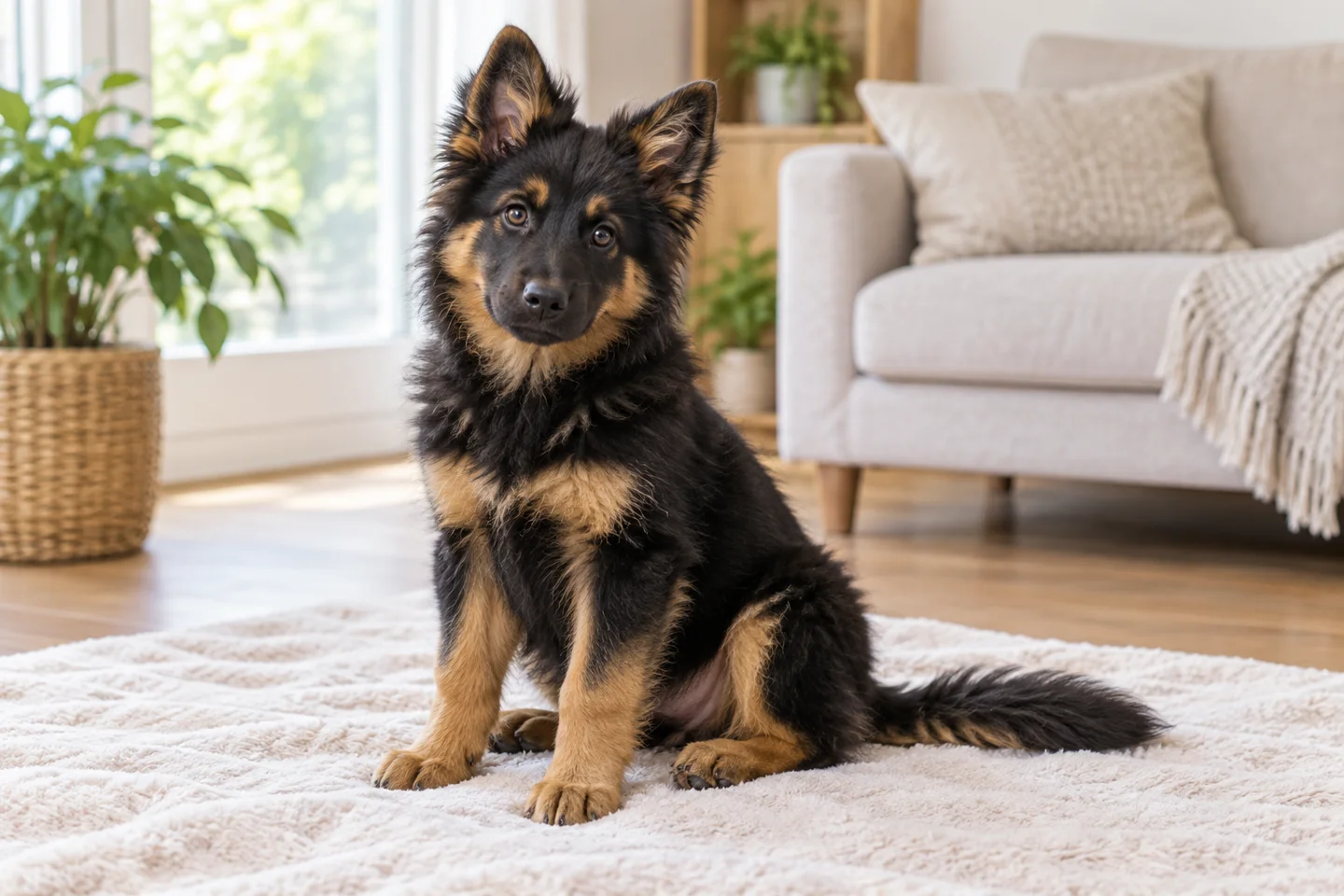
Use clear rewards for behaviors you want to see again. A puppy can learn to check in during a walk, wait behind a doorway, approach a hand target, and relax on a mat. Begin where the dog can concentrate, then add distractions gradually. If a familiar cue fails beside an exciting dog, reduce the difficulty instead of repeating it louder. The goal is a response the animal understands in that setting, not a contest over who can sustain more pressure.
Training should include care and ordinary transitions. Reward stepping into a harness, standing briefly for brushing, and getting into the car safely. Practice exchanging a low-value object for food before the dog finds something precious. Household members should agree on cues and boundaries so the dog receives consistent information. Short useful sessions can fit around meals and outings. Keep a simple note of progress if several people share care, particularly when working through a behavior problem with professional guidance.
Exercise and a balanced workload
A Bohemian Shepherd needs regular physical activity and opportunities to use its attention. Walks with sniffing, exploration on suitable terrain, reward-based training, and secure play can all contribute. Different individuals enjoy different activities, so introduce options instead of assuming every shepherd wants the same sport. When pursuing agility, scent work, or another structured activity, find instruction that respects development and physical condition. Build difficulty progressively and leave time for recovery after unfamiliar effort.
Avoid treating constant excitement as proof of fulfillment. A dog can learn that every outing ends in frantic ball chasing and then struggle to settle when that activity stops. Mix lively periods with slower exploration and quiet household routines. Puppies and older dogs need activity adjusted to their bodies. Ask a veterinarian about lameness, repeated stiffness, or an unusual drop in enthusiasm. Work that was comfortable last month may need modifying after illness, injury, changing weather, or a period of reduced activity.
Grooming the coat and checking the skin
Brush through the coat in sections so you reach the areas near the skin, especially behind ears, around the collar, and where limbs move against the body. A surface brush can leave hidden tangles underneath. Introduce the process in brief comfortable sessions rather than waiting until knots require prolonged handling. Check the dog after walks through vegetation for debris and irritated areas. Dry wet coat properly and inspect equipment contact points when the dog has spent time in rain or mud.
Discuss suitable tools and maintenance with a groomer familiar with double coats. Coat management should keep the dog comfortable and allow the owner to examine its body. Look at nails, teeth, and ears regularly as part of the same routine. Odor, discharge, soreness, or persistent scratching calls for veterinary attention. Avoid digging into ears or cutting tight mats with scissors close to the skin. If care becomes painful or frightening, change the approach and get practical help before the next session becomes a struggle.
Health records and screening questions
Ask breeders for the specific screening results used in their program and the requirements of the relevant breed organization. With a less common breed, standards and recording systems can differ between countries. Clarify whether an orthopedic result refers to hips, elbows, or another assessment, and request the report rather than a general assurance that the parents are healthy. Your veterinarian can help interpret unfamiliar documents. A health evaluation of a breeding dog is different from a basic examination of a puppy.
Seek information about close relatives, including mobility problems and serious illness, without assuming that an incomplete answer proves a particular diagnosis. No document guarantees lifelong health. A DNA panel addresses named variants and does not assess every inherited or acquired condition. Arrange an examination after adoption and establish preventive care suited to the dog's location and lifestyle. Maintain a clear record of vaccinations, parasite control, illnesses, and results so care remains consistent when the dog changes veterinarians or someone else looks after it.
Reading an unfamiliar health document
Imported records may use abbreviations, grading systems, and registration numbers unfamiliar to a buyer. Before sending a deposit, ask which organization issued each assessment and how the dog on the document matches the registered parent. A translation should preserve the original result, including an unfavorable finding. For this Czech breed, access to the original club records can be more useful than a seller's cropped photograph. If you cannot interpret a certificate, ask your veterinarian or the issuing organization for help.
Food, emergencies, and later-life comfort
Feed a complete diet appropriate to life stage and measure portions against body condition and activity. Long coat can make weight changes less obvious, so use hands as well as photographs when checking the body. Training treats belong in the daily food total. Ask for veterinary guidance if appetite changes, weight shifts without explanation, or the dog repeatedly has digestive upset. Do not add supplements in the hope of preventing every possible joint problem without discussing the actual diet and medical situation.
Keep an emergency contact and transport plan available. Collapse, severe breathing difficulty, substantial trauma, or marked distress needs prompt veterinary help. Record new stiffness or difficulty rising even when it develops slowly. Older dogs may benefit from better traction, easier access to beds, and shorter outings that preserve enjoyment. Changes in tolerance of handling can accompany discomfort. Review interactions with children and other pets when the dog's abilities change, so it retains a quiet place and does not have to defend its rest.
Mixes and choosing a realistic home
A Bohemian Shepherd mix may inherit different coat, size, and behavioral traits from either parent. Labels based on appearance are especially uncertain when pedigrees are unavailable. A cross does not promise the easiest features of each breed or protection from inherited illness. Ask what is known about the parents, which tests were done, and how the young dogs were raised. For an adult, assess current needs directly and ask for concrete observations from the people providing its daily care.
Budget for grooming tools, training, veterinary care, transport, and support during absences as well as food. Consider whether your neighborhood offers walks with enough space and whether the household can maintain exercise through poor weather. A quiet apartment with a committed owner may work better than a large property where the dog receives little attention, but individual noise and activity needs still matter. Choose based on the life you can sustain for years, including periods when work becomes busy or your own mobility changes.
A comfortable dogsDating introduction
Describe the dog's actual preferences on dogsDating, including whether it enjoys chasing games, prefers walking together, or needs a slow introduction. Agree on a quiet public meeting point with room for separate handlers to create distance. Begin with parallel walking rather than a close face-to-face greeting. Watch whether each dog can glance away, sniff the ground, and respond to its owner. Shorten the outing when either becomes overwhelmed. A calm first walk does not require a period of off-lead play afterward.
Keep precise home coordinates private and use an approximate area to find suitable local contacts. Share handling limits before arriving, including discomfort with shared toys or fast approaches. Leave valued items out of the initial meeting and agree how to end it if needed. Compatibility remains an observation, not something a profile or matching feature can certify. If the dogs prefer distance, owners can still enjoy a planned walk that respects it. Repeat only arrangements that leave both animals comfortable and able to recover afterward.
Sources and editorial notes
Sources checked October 21, 2026. Breed measurements describe reference ranges, not a diagnosis or an individual dog's ideal weight. Images are AI-generated breed illustrations and do not document a particular dog or health condition.
- AVSAB: Humane Dog Training Position Statement
- VCA Animal Hospitals: Food aggression in puppies
- VCA Animal Hospitals: Aggression toward unfamiliar dogs, diagnosis
- VCA Animal Hospitals: Ear infections in dogs
- VCA Animal Hospitals: Common emergencies in dogs
- VCA Animal Hospitals: Heat stroke in dogs
- Orthopedic Foundation for Animals: CHIC program and interpretation of numbers
- VCA Animal Hospitals: Hypoallergenic dog breeds
- American Kennel Club: Bohemian Shepherd breed identity and care
- American Kennel Club: Breed-club health testing recommendations
- VCA Animal Hospitals: Grooming and coat care for your dog
- VCA Animal Hospitals: Feeding guidelines for dogs
- Washington State University: Gastric dilation and volvulus and bloat in dogs
- Fédération Cynologique Internationale: Chodský pes official breed standard
Keep getting to know dogs.
Read another guide or return to your dogsDating community.
Explore breed guidesBack to dogsDating