Chinook
A tawny American sled breed needing steady conditioning, thoughtful pulling instruction, appropriate company, and documented orthopedic, eye, and genetic screening.
How these guides are researched and reviewed
- Origin
- United States; New Hampshire
- AKC standard ideal height
- Males 24–27 in; females 22–25 in
- Coat
- Close-fitting tawny double coat
- Daily focus
- Conditioning, cooperative work, company, and recovery
General information for owners. These articles have not been reviewed by a veterinarian. Medical decisions need your dog's history and an examination.
A Chinook needs a realistic working week
A Chinook makes most sense for someone who wants to spend regular time moving and learning with a substantial dog. Its sledding background can attract people planning adventurous weekends, but ordinary weekdays decide whether the arrangement works. Account for walks, rest, grooming, and company between outings. A dog that rests quietly beside its owner may still need gradual preparation for being alone. Ask how the individual behaves when activity finishes and when people leave, rather than assuming a relaxed appearance answers both questions.
Meet mature dogs in a setting that resembles your home. Watch whether the owner can fit equipment, open a door, and speak to a visitor without physically wrestling an excited body. Ask about the hardest periods of adolescence and the care required during illness or injury. An adult foster placement can offer useful observations for someone whose household needs more predictability. Neither a rare name nor an appealing sporting history removes uncertainty about a puppy's adult behavior or medical future.
New Hampshire roots and the founding dog
The Chinook developed in New Hampshire through Arthur Walden's sled-dog breeding work. The breed takes its name from the foundation dog Chinook, and its established purpose combined hauling capacity with useful speed. This is an American sled breed with a particular documented history, rather than a generic description for every tawny northern-looking dog. Use the parent club's account and records instead of expanding a historical story into unsupported claims about ancient ancestry or the capabilities of a present-day puppy.
Distinguish a Chinook pedigree from an ancestry estimate or a seller's informal label. Ask who issued the registration and whether the parents can be identified. A rescued dog may resemble the breed while having unknown parentage, which should remain clear in its description. Working heritage offers questions about movement, pulling, and cooperation. It does not automatically teach a modern dog how to behave around roads, livestock, bicycles, or a household cat. Those decisions require the owner's management and the dog's own learning history.
Tawny coat, flexible ears, and a useful outline
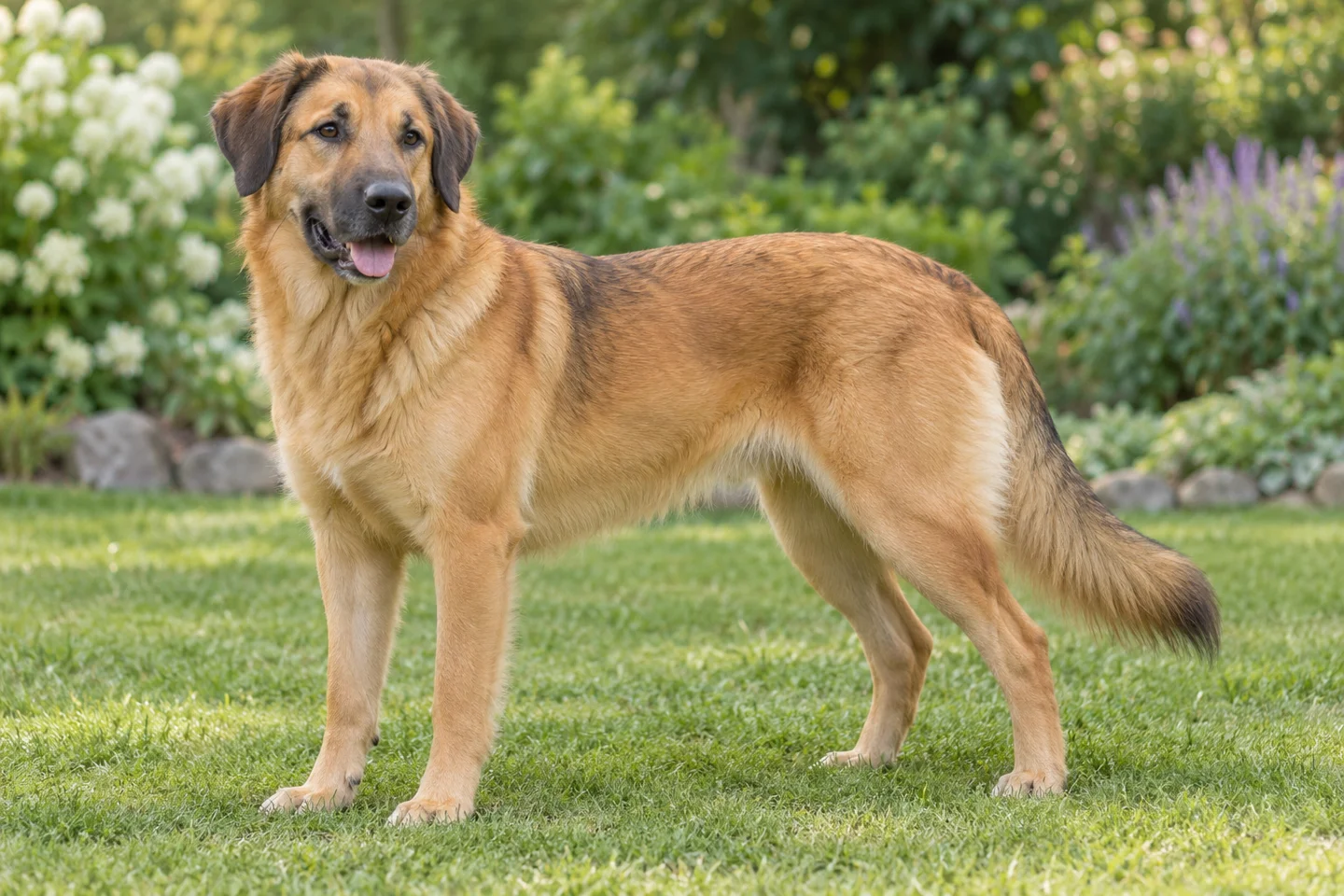
The standard describes a strong athletic dog, somewhat longer than tall, with a tawny coat and darker shading often present around the muzzle and ears. Ear carriage is variable, with dropped, erect, and intermediate forms recognized. The illustrations here select naturally dropped ears. The well-furred natural tail has a saber-like shape, rather than needing a tightly rolled spitz curl. Look at the full working outline and comfortable movement, avoiding marketing that treats unusually heavy bulk as proof of strength.
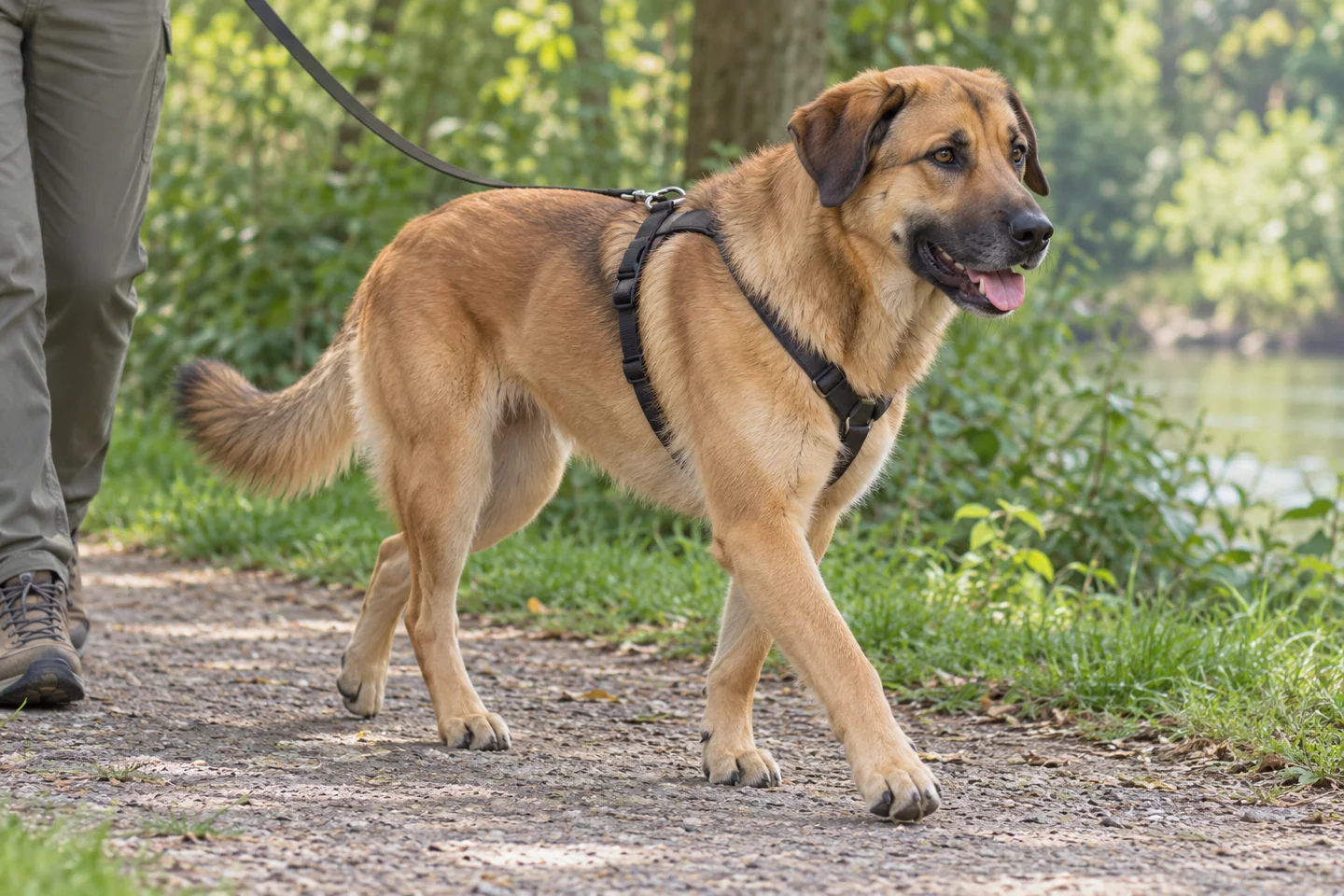
Check body condition by touch beneath the double coat, and ask your veterinarian to demonstrate an appropriate assessment. A dog in seasonal coat can look different from one photographed during a shed without any change in ancestry. Measure equipment on the actual body and recheck after growth or weight change. Practical fit matters for an ordinary walking harness as well as specialist pulling gear. A strap that rubs when the dog leans into it is a problem to solve, not an expected price of owning a working dog.
The parent club’s AKC standard gives ideal adult heights of 24–27 inches for males and 22–25 inches for females. An individual may differ, and a puppy’s final size cannot be guaranteed from those limits. Allow real turning and lying space in a vehicle and choose sporting equipment only after measuring the dog itself.
Pulling is a skill, not a doorway habit
A Chinook's pulling history makes controlled instruction useful before anyone attaches it to a sled, scooter, or bicycle. Start with an instructor who can assess the dog's maturity, condition, equipment, and confidence. Teach directional and stopping responses away from traffic, and learn the human handling skills as deliberately as the dog's task. A dog should not first discover the equipment's feel while an inexperienced person is balancing on wheels behind it. Choose safe terrain and an easy way to end the exercise.
Separate sporting cues from ordinary walking expectations. The dog can learn that one setup permits pulling while another asks for a slack lead, provided people teach the distinction consistently. Practice calm exits and waiting for permission to begin. Do not allow the daily school run or a narrow communal hallway to become an improvised towing lesson. A strong surge can pull an adult over, especially on wet ground. Good management remains necessary while the behavior is being learned and whenever circumstances exceed the dog's current skills.
Exercise built through the calendar
Condition the Chinook steadily rather than expecting a major weekend effort after five largely inactive days. Use comfortable walks, appropriate free movement, and short lessons to establish a baseline, then increase demands with advice suited to the dog's age and health. Pay attention to recovery later that day and after sleep. Reluctance, stiffness, or a changed gait gives information that should alter the plan. Working enthusiasm does not establish that joints, muscles, and cardiovascular function are ready for the distance the owner imagined.
Warm weather changes what is sensible for a double-coated active dog. Select cooler periods, carry water, and allow recovery in shade. Avoid using a fixed target from an app to decide when an outing must end. Severe distress, collapse, or abnormal breathing needs urgent veterinary contact. Indoor searching, manageable cooperative care, and gentle activity can provide alternatives on unsuitable days. An owner should be willing to cancel the sporting plan without treating the quieter day as a failure for either dog or handler.
Companionship without expecting constant entertainment
Ask how the dog rests when nothing exciting is offered. A Chinook may enjoy close involvement with people, while the household still needs a routine that includes unoccupied quiet time. Provide a comfortable bed and reinforce calm behavior without waking the dog to give it another task. Following someone between rooms is not always a problem, but note whether the dog can stay settled when a door closes or a familiar person is briefly out of sight.
Build alone time from what the dog can handle, using observation rather than assumptions. A camera may show pacing or repeated calling that is invisible when the owner returns. If distress appears, arrange support and seek a qualified professional instead of repeatedly extending the absence. Another dog is a separate commitment and may not resolve concern about losing human company. A workable week includes backup care when employment or travel demands more absence than the individual currently tolerates. Rare-breed ownership should not mean unreliable everyday support.
Children and a substantial enthusiastic companion
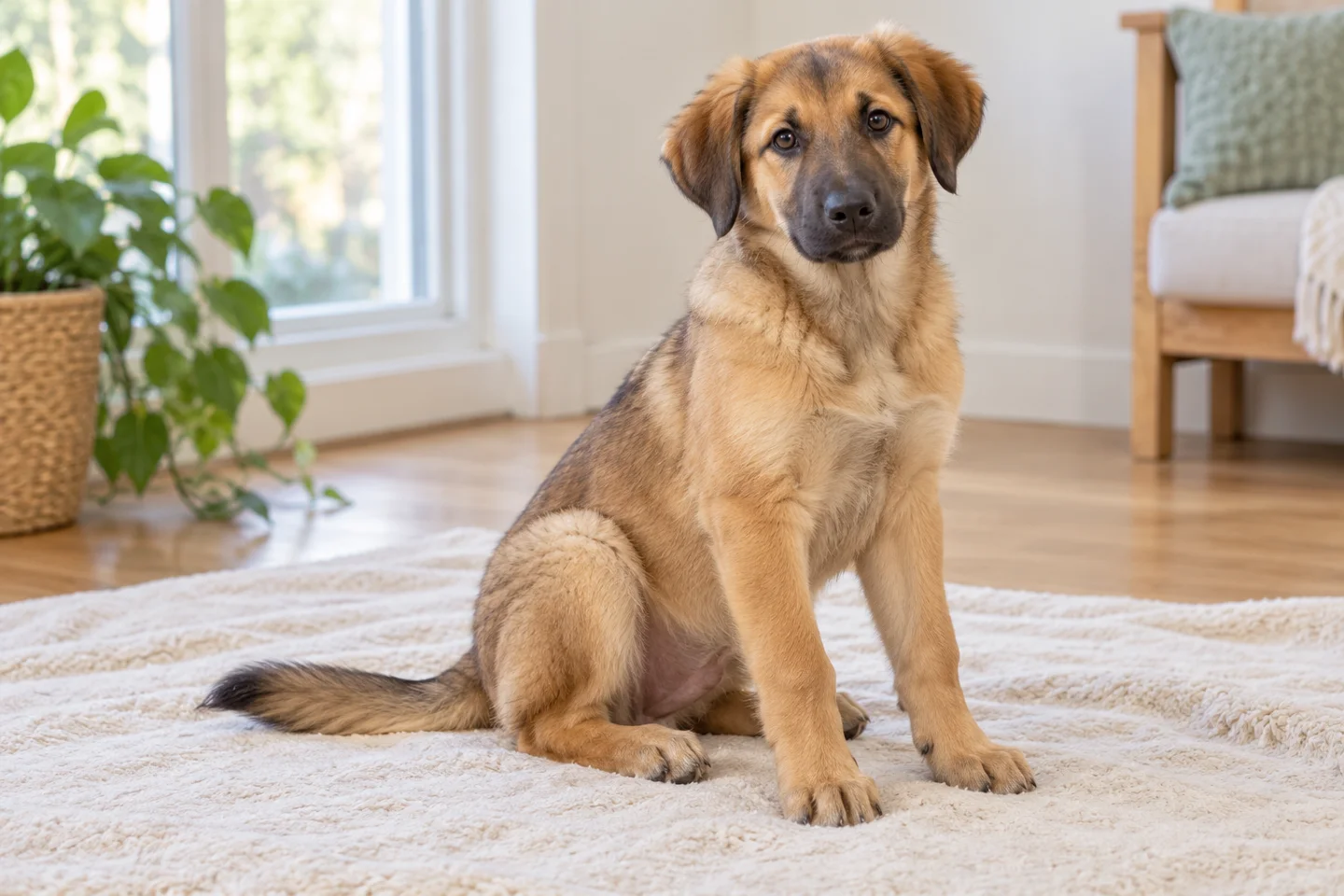
A friendly approach can still be physically overwhelming when a dog jumps up or brings its head close to a child's face. Teach an alternative greeting early, and use barriers or lead management when excitement is too high. Keep running games out of tight indoor routes where collisions are likely. Adults should supervise the actual exchange and give the dog a clear way to leave. A history of patience is useful information, but it does not make a child responsible for judging when patience has ended.
Children should leave food, chews, sleeping places, and equipment adjustments to adults. A suitable shared activity might involve preparing a simple search while the dog waits with another person. Avoid making a young child the driver of a pulling sport or the person expected to stop a strong dog. Review arrangements as the child grows, visitors arrive, or the dog's comfort changes. An owner who can interrupt early and separate calmly protects the relationship better than one who waits for a warning and then blames either participant.
Aggression, resources, and physical discomfort
A Chinook can react defensively around a painful area, a prized object, or an overwhelming encounter. Breed descriptions emphasizing cooperation do not exclude those possibilities. If the dog freezes over a chew or withdraws from handling, reduce pressure and arrange safety first. Keep children out of the situation and use a planned exchange or professional assistance as appropriate. Reaching repeatedly to prove control creates an avoidable contest. Better storage and separate chewing areas can prevent repetitions while the underlying issue is assessed.
AVSAB supports reward-based methods. Punishing a warning can add fear without addressing why the dog wanted distance. New sensitivity during harnessing, foot care, or rising should prompt veterinary investigation. Explain incidents accurately to a behavior professional, including any physical contact and the context that preceded it. A plan may combine environmental changes, barriers, teaching, and medical treatment. Calling a dog easygoing does not tell a holiday carer how to handle an unresolved resource conflict, so written instructions and honest disclosure remain important.
Training cooperation beyond sporting cues
Teach entering a vehicle, moving onto a mat, returning from a safe sniff, and standing briefly for a body check. These behaviors help on a quiet weekday as much as during outdoor recreation. Choose rewards that suit the individual and keep the task understandable. A puppy may need several small steps before it is ready to stand still for equipment adjustment. Rushing to a complete performance can obscure whether the dog is confused, worried, or physically uncomfortable with part of the process.
Practice skills in more than one setting, beginning with easy versions wherever the surroundings change. A response taught at home may weaken beside another team of dogs or a moving bicycle. Increase distance and reduce difficulty before assuming deliberate disobedience. Agree on cues between the adults handling the dog so one person's stop signal does not mean something different to another. Reward-based coaching can help both timing and safety, particularly when a strong adolescent is learning alongside an owner who is new to sporting dogs.
Dogs, cats, and the limits of a team history
Working alongside dogs does not answer every question about sharing a household. Ask whether the Chinook has rested near companions, shared transport, or encountered food and toys in their presence. Introduce a suitable dog with room to move rather than forcing a close doorway greeting. Pause when play becomes one-sided and give each animal its own rest and feeding areas. A quieter companion may enjoy a parallel walk without wanting the physical contact an energetic newcomer offers.
Cats need protected routes and a gradual introduction with prevention of chasing. Keep vulnerable small pets securely separated while compatibility is assessed. A claim that a dog has a gentle nature toward people does not establish how it responds to a running animal. Ask for concrete observations and remain prepared to manage separation permanently if necessary. A rescue with limited history deserves an honest plan, not a rushed test designed to prove that one breed description applies universally to all the animals in the home.
Grooming the close double coat
Brush sufficiently to remove loose undercoat and inspect the skin, with more work when the coat is shedding. The clean outline does not require an elaborate sculpted trim. Check beneath the collar and harness, around the feet, and in areas where the dog repeatedly licks. After a muddy outing, remove debris and dry comfortably rather than leaving damp material trapped against skin. Ask a groomer to demonstrate suitable tools if brushing appears to drag or if the coat remains packed close to the body.
Use grooming as an opportunity for calm observation, not a forced full-body inspection when the dog is exhausted. Introduce nail and dental care in short sessions with rewards. Ear redness, discharge, persistent scratching, or pain needs veterinary advice; avoid deep probing and leftover medication. Tell professionals about sensitive areas and a history of difficult handling before an appointment. If the dog suddenly objects to a familiar brush stroke or foot touch, investigate discomfort before adding restraint or concluding that it has become less cooperative.
Health screening and named conditions
The current AKC working-group recommendations for Chinooks include hip and ophthalmologist evaluations and DNA tests for chondrodysplasia and multidrug resistance associated with MDR1. Request the reports for the parents and ask how each result is interpreted. The specific tests matter more than a broad claim that a genetic panel was completed. Discuss the family history of mobility, neurological signs, and significant illness, including what follow-up information the source receives from owners after placement.
A DNA result relevant to drug sensitivity should be shared with every treating veterinarian, while medication choices remain clinical decisions. Do not maintain an internet-derived universal forbidden-drug list or stop prescribed treatment without speaking to the clinician. A normal-looking puppy has not demonstrated its genetic status through appearance. Equally, a screening result does not explain every future symptom. New weakness, abnormal movement, eye discomfort, or loss of exercise tolerance deserves examination based on the actual presentation, not a conclusion made from the breed name alone.
Feeding, mixes, and sensible expectations
Feed a complete diet suitable for the dog's life stage and workload, measuring portions and monitoring condition beneath the coat. An active winter schedule and a quiet summer routine can have different energy demands. Include rewards used during training and avoid trying to build strength by encouraging excess weight. Ask for guidance when growth, appetite, digestion, or body condition raises questions. Repeated unplanned diet switches can make a record harder to interpret if a medical problem is developing.
A Chinook mix is not a standardized combination of sledding ability and companion behavior. Size, coat, pulling interest, and care needs vary with the individual and parentage. Request evidence for health claims rather than accepting an assurance that crossing automatically removes inherited concerns. For an adult with uncertain ancestry, practical behavior history may be more useful than a speculative label. The home still needs suitable company, secure outdoor access, and financial capacity for veterinary treatment, regardless of how closely the dog resembles a photograph of a registered Chinook.
Costs, transport, and dogsDating plans
Budget for food, routine medicine, training, secure transport, and emergency treatment before adding specialist sporting equipment. Check that a carer can handle the adult and maintain its exercise safely. Trial a short stay and provide written veterinary contacts and instructions. With age or injury, access ramps, floor traction, and an altered activity schedule may become useful. Retain enjoyable exploration and companionship at an appropriate pace rather than removing all engagement when strenuous work is no longer comfortable.
Describe the Chinook's actual walking and play preferences on dogsDating, including lead needs and relevant medical restrictions. Keep exact home coordinates private. Select a quiet public route and begin with two handlers moving in parallel at a comfortable distance. Avoid attaching dogs together or using a first meeting as an improvised pulling-team experiment. Let a short pleasant walk provide the initial information. Future contact should follow both dogs' willingness to pause, disengage, and remain comfortable as circumstances change.
An emergency plan for a full-sized dog
Check that another adult knows how to transport the Chinook if it cannot walk or if the usual owner is unavailable. Keep records of current medication and relevant genetic findings with veterinary contacts. Rehearse normal loading without urgency, and consider how illness would change that arrangement. A favorite outdoor destination may be far from a clinic, so identify access and communications before a demanding trip rather than discovering those limits after a dog becomes unwell.
Sources and editorial notes
Sources checked October 21, 2026. Breed measurements describe reference ranges, not a diagnosis or an individual dog's ideal weight. Images are AI-generated breed illustrations and do not document a particular dog or health condition.
- AVSAB: Humane Dog Training Position Statement
- VCA: Food Aggression in Puppies
- VCA: Grooming and Coat Care for Your Dog
- VCA: Ear Infections in Dogs
- VCA: Feeding Guidelines for Dogs
- Orthopedic Foundation for Animals: Canine Health Assessments
- VCA: Common Emergencies in Dogs
- VCA: Heat Stroke in Dogs
- American Kennel Club: Working Group Health Testing Requirements
- American Kennel Club: Meet the Rare and Versatile Chinook
- Washington State University: MDR1 in Dogs
- Chinook Club of America: AKC Breed Standard
Keep getting to know dogs.
Read another guide or return to your dogsDating community.
Explore breed guidesBack to dogsDating