Collie
The Rough and Smooth Collie share a herding background, with care shaped by coat type, sensitivity to the environment, eye screening, and individual genetic findings.
How these guides are researched and reviewed
- Coat types
- Rough and smooth; Rough illustrated
- FCI Rough height
- Males 56–61 cm; females 51–56 cm
- Origin
- Great Britain
- Care priorities
- Coat, eyes, drug-sensitivity records, and manageable social learning
General information for owners. These articles have not been reviewed by a veterinarian. Medical decisions need your dog's history and an examination.
A Collie is more than a familiar silhouette
Choose a Collie by asking how the individual copes with an ordinary household, not by assuming that a familiar story or screen image describes every dog. Consider noise, visitors, moving children, other animals, and the hours when people are away. A herding background can make attention to movement worth discussing, while each family's dogs have their own health and behavioral histories. Meet adults and ask what the owner has had to teach, manage, or adapt over time.
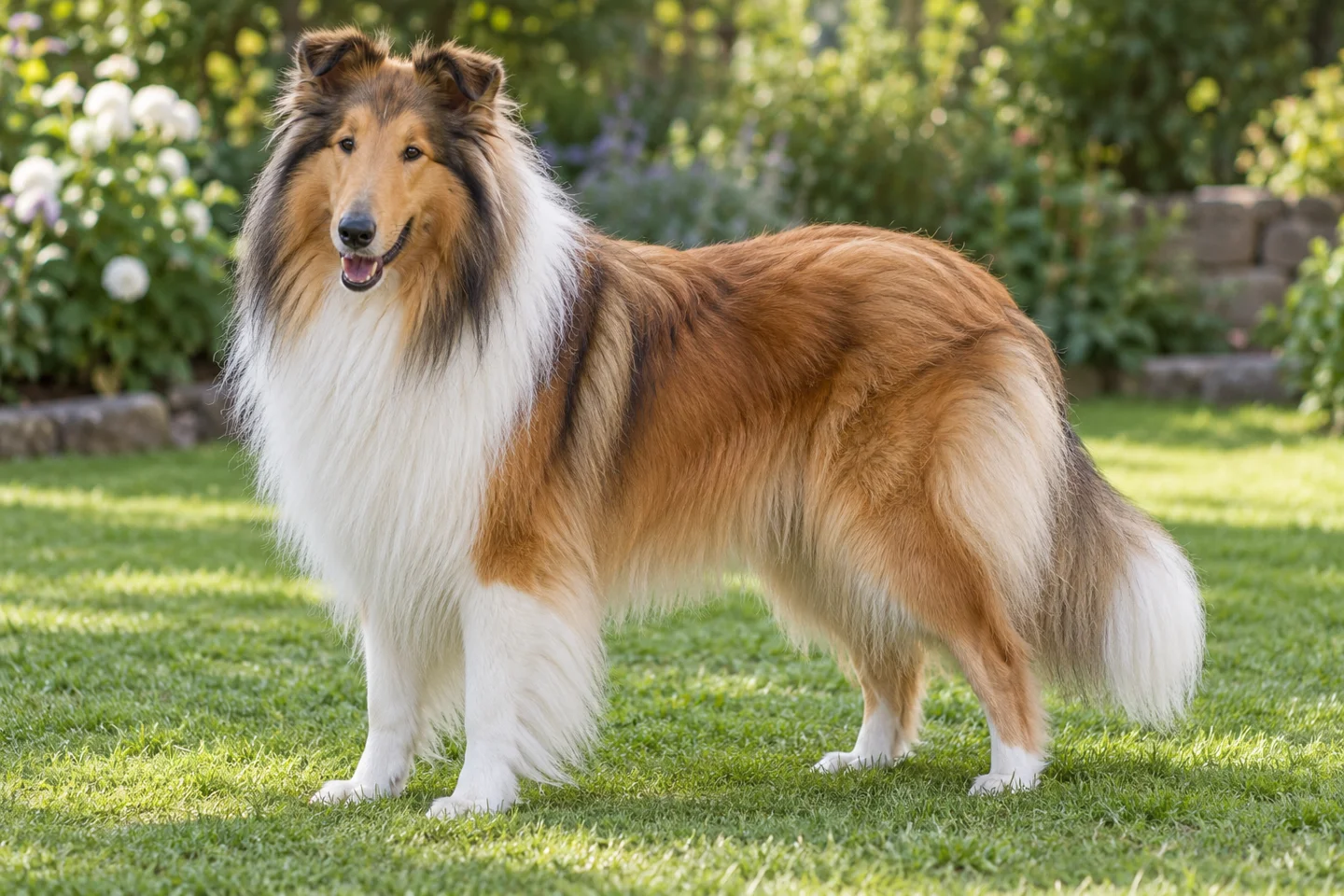
Coat choice matters immediately. The illustrations here show a sable-and-white Rough Collie with a long coat, naturally tipped ears, and a complete feathered tail. A Smooth Collie has a shorter coat and still needs routine care. Naming and registration arrangements vary, so specify which type you mean when contacting a source. Neither coat turns the dog into a Border Collie, Shetland Sheepdog, or an interchangeable size version of another herding breed. An honest identification helps owners ask useful questions without making the label carry more certainty than it can.
British herding identity without a perfect-origin story
The FCI standard gives Great Britain as the origin and describes sheepdog function. Rough and Smooth Collies share a close background, with coat length the obvious distinction. Historical accounts can include theories about much earlier ancestry, but those should not become an exact family tree for every modern dog. A documented pedigree, recent relatives' health, and the environment in which puppies are raised provide more practical evidence when choosing a placement than a dramatic remote origin narrative.
For a rescue, ask how the Collie label was reached and preserve uncertainty if records are missing. Long hair, a white ruff, or a wedge-shaped head can occur in mixes. Whatever the ancestry, assess the actual dog's comfortable movement, medical needs, response to care, and social preferences. A breed description is useful for framing questions, while the home must fit the individual. A source that discusses unknowns and offers support gives an owner more usable information than one promising that every Collie instinctively understands family life.
Wedge head, tipped ears, and a usable body
The recognizable outline includes a long wedge-shaped head, almond-shaped eyes, naturally semi-pricked ears with forward tips, a deep chest, and a long tail. Rough coats have substantial furnishing, including a ruff. Sable and white is the selected image color, while the standard describes other colors. The goal is balanced function rather than maximizing hair, making eyes unusually narrow, or treating an exaggerated head shape as the main indicator of quality. Watch an adult move rather than judging only a posed portrait.
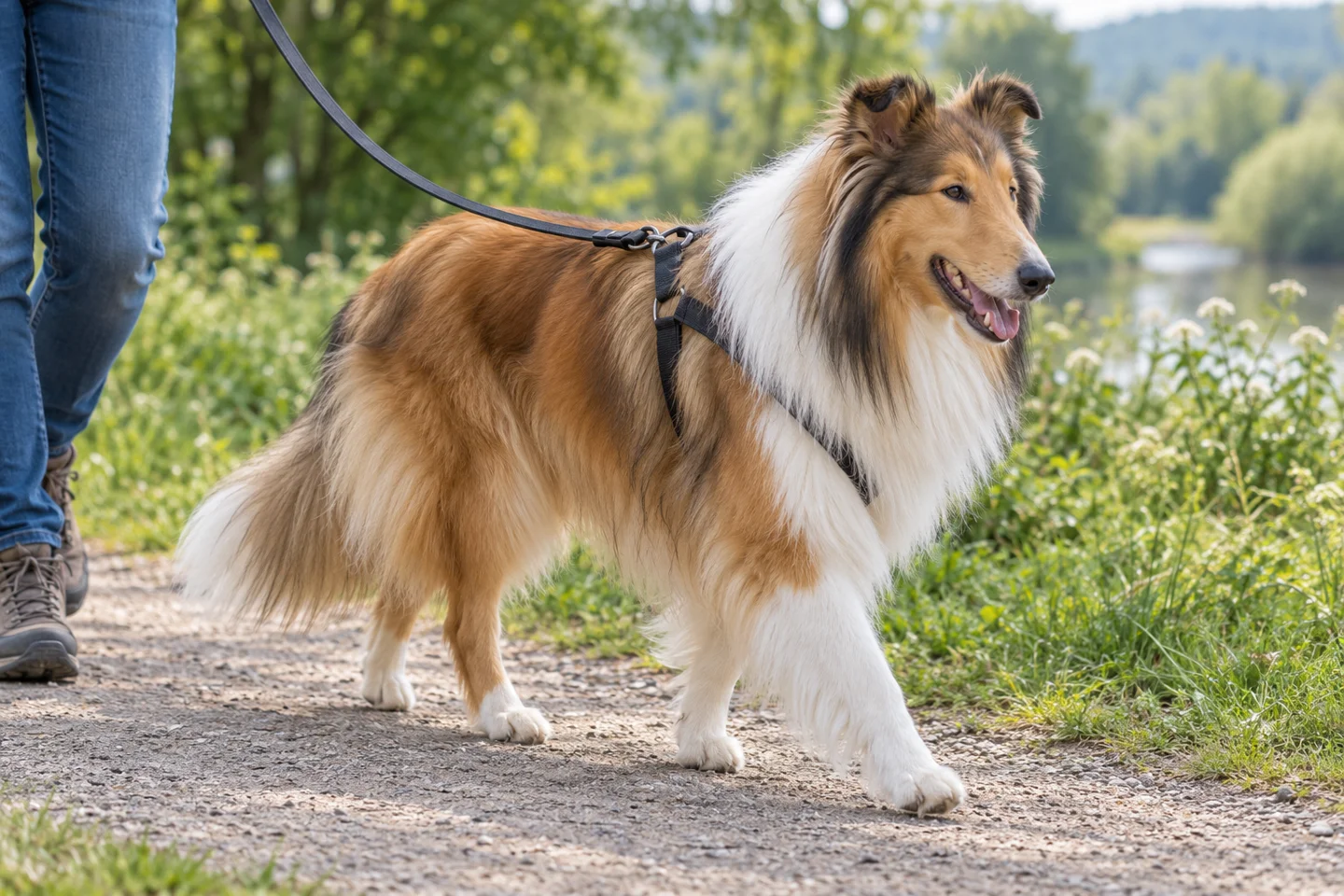
Coat can obscure changes in weight and muscle. Ask your veterinarian to demonstrate hands-on condition assessment and keep meaningful trends rather than comparing photographs taken in different seasons. Recheck harness fit as the dog grows or changes condition. Straps should not pull the coat into skin or restrict movement. Teach voluntary approach to equipment and a brief pause while it is adjusted. A sudden objection to a familiar fitting routine deserves investigation instead of the automatic conclusion that a sensitive dog is overreacting.
The FCI Rough Collie standard lists withers heights of 56–61 cm for males and 51–56 cm for females. Coat volume does not change those underlying dimensions, and a particular dog may be outside the range. Check actual space in transport and use individual measurements for equipment. Standard size alone does not establish comfortable handling or medical condition.
Movement in a family home
Ask how the individual responds when children run, bicycles pass, or several people move through a narrow doorway. Prevent rehearsals of chasing, body-blocking, or grabbing clothing while teaching another response. A herding history does not make those behaviors useful in a household. Choose a location and distance where the dog can notice movement without becoming overwhelmed, reward looking back to the handler, and gradually build a comfortable turn away. Physical safeguards remain necessary where mistakes would put people or animals at risk.
Inside, arrange routes that do not force people past a sleeping dog or create a bottleneck at the entrance. A mat routine can help while guests enter or food is prepared. Practice before a busy event, using rewards and manageable duration. Do not wait for an excited situation and then attempt to solve it by repeatedly holding the collar. Clear layout and teaching give both people and dog a better chance to move calmly, especially when the household contains children or someone with limited balance.
Children need an adult's active decisions
A Collie's family reputation does not replace supervision of the actual interaction. Prevent climbing, neck-hugging, ear pulling, and face-to-face posing. Give the dog a retreat that children cannot enter and let it leave without being followed. Watch for withdrawal or stiffening before a child removes the option of distance. An adult should handle lifting, valued objects, and difficult care. A child cannot reasonably be expected to interpret every indication that a dog is tired, worried, or uncomfortable.
Use calmer shared activities when both participants are comfortable, such as hiding a safe object for a search while the dog waits with an adult. Separate before energetic group games if pursuit or collision is a concern. Keep meals and chews outside children's play. Review arrangements when a baby becomes mobile, unfamiliar children visit, or the dog develops pain or sensory changes. Previous tolerance is useful history, while present comfort and the current setting determine what management is needed today.
Aggression, warnings, and breed expectations
A dog described as gentle can still growl, guard, snap, or react defensively. If a Collie stiffens during grooming or over a valued item, end the pressure and arrange space. Do not repeat the approach to prove that the breed should tolerate it. A veterinarian should investigate a new change in handling tolerance, and a qualified behavior professional can help with recurring threats or fear. Keep children and visitors out of unresolved conflicts while an assessment and practical plan develop.
AVSAB recommends reward-based methods. Physical punishment can increase worry and may hide a warning without removing the concern that produced it. Record the actual circumstances and any injury, then share that information with professionals and carers who need it. Calling the dog sensitive is insufficient if it has repeatedly threatened during a particular procedure. A useful response combines prevention, teaching, and medical care where appropriate. It should make future handling safer without requiring someone to recreate a risky encounter to demonstrate authority or test the diagnosis.
Training clear responses at a manageable level
Teach moving onto a mat, approaching equipment, returning from a suitable distraction, and settling while people continue ordinary activity. Use rewards the individual values and short lessons that keep the task understandable. If the dog cannot respond beside moving traffic, increase distance or choose a quieter version of the exercise. Repeating the same cue with greater volume does not resolve confusion, fear, or an environment that exceeds the dog's current skills. A helpful instructor should explain how to change the setup.
Include body-care cooperation from the beginning. A brief chin rest, standing on a stable surface, and allowing a gentle paw touch can support future examination and grooming. Reward small steps rather than forcing a complete procedure immediately. Coordinate with clinicians when a painful problem needs treatment before training is finished. Household adults should share cues and rules so the dog can predict what earns a reward. Sporting or trick activities can be enjoyable additions, while practical everyday skills remain valuable throughout life.
Sound, socialization, and recovery
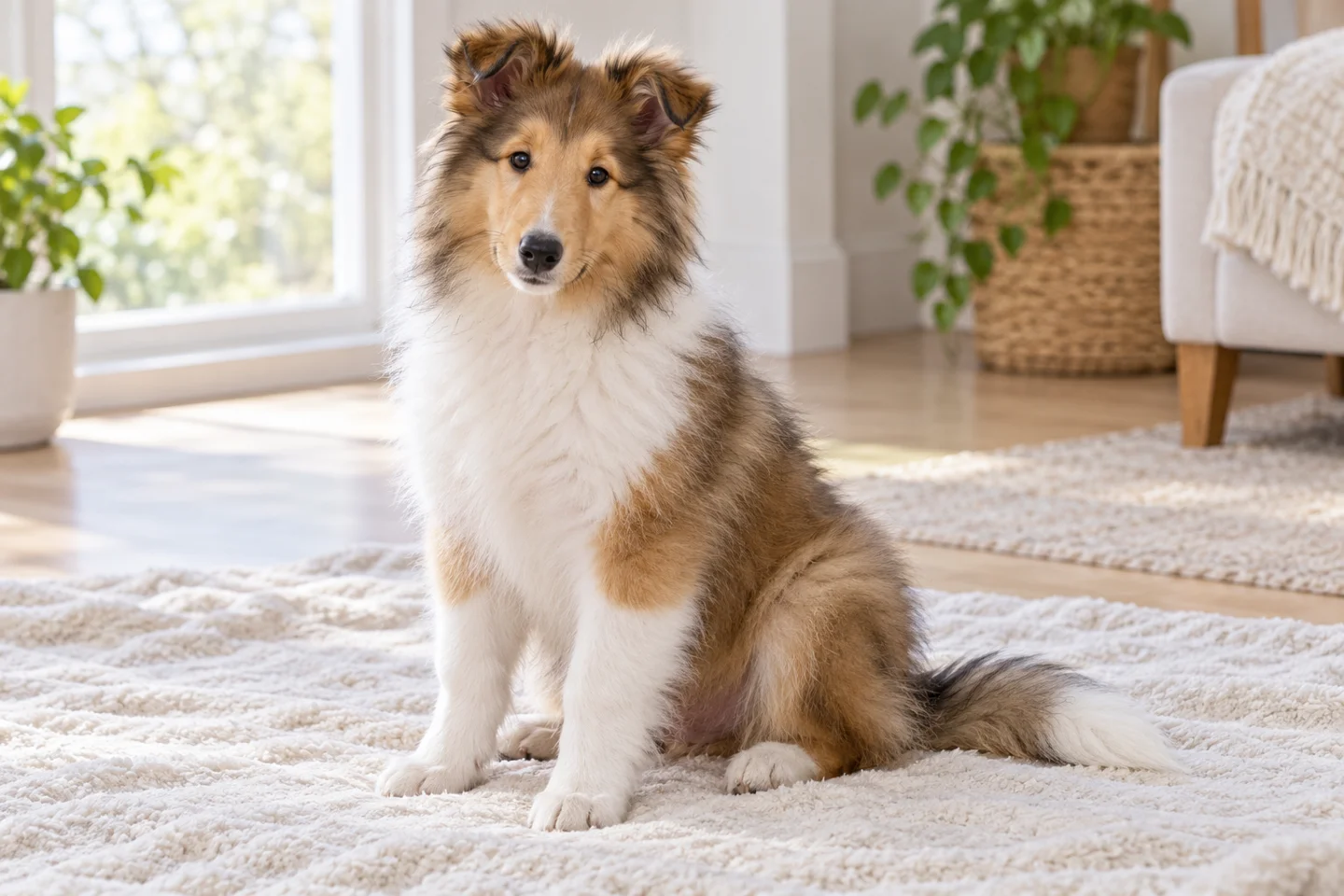
A puppy should experience ordinary sounds, surfaces, people, transport, and care in manageable doses. Let it observe before expecting closer contact, and seek veterinary advice about early outings and local infection precautions. A busy environment is not automatically a useful socialization lesson. If the youngster hides, stops taking familiar rewards, or cannot settle afterward, simplify the next exposure. Enough distance and an exit can teach more useful confidence than being held in a crowd until protest disappears.
For an adult entering a new home, allow predictable routines before a succession of visitors and outings. Note which sounds or movements cause concern, how long recovery takes, and what helps. Avoid interpreting unusual quietness after repeated busy events as proof of comfort. Sleep and recovery are part of the assessment. If noise reactions or fear disrupt everyday life, obtain professional guidance early. The goal is a dog able to manage its actual environment comfortably, rather than a record showing that it has endured every event the owner can arrange.
Company and comfortable independence
Observe what happens when the dog is briefly separated from familiar people. Following someone through rooms is not enough by itself to diagnose a problem, but pacing, repeated calling, or inability to rest after departure deserves attention. Begin alone-time practice at a level the dog can manage, using recordings when helpful. Arrange dependable care for longer absences while skills develop. Repeatedly leaving until distress is severe is unlikely to teach the calm routine the household needs.
Another dog is not an automatic answer to difficulty being apart from people. It adds its own exercise, training, and medical needs and may not change the first dog's concern. Choose a second animal only after assessing the pair and the household's capacity. A workable week includes help during illness, travel, and unexpected work demands. Ask a source about known separation history and placement support. That information can matter as much as coat type or the amount of garden space offered.
Exercise with exploration and a clear end
Provide regular comfortable activity suited to age, condition, and medical findings. Walking with investigation, searches, and appropriate training can create variety without endless high-speed repetitions. A garden supplements the routine but does not demonstrate meaningful movement. Build longer outings gradually and observe recovery after rest. A persistent limp, stiffness, or changed willingness to move needs examination, even when the dog still responds enthusiastically to a familiar game. Motivation and physical comfort are related but not interchangeable measures.
In warm conditions, choose cooler periods, water, shade, and an easy way back. Severe distress, collapse, or abnormal breathing requires urgent veterinary advice. Quiet days can include gentler tasks rather than frantic indoor chasing to compensate for a missed long walk. Teach a predictable end to activity and provide undisturbed sleep. Puppies and older dogs need individual limits, and an owner should be willing to change the plan when weather, illness, or a temporary physical problem makes the usual outing unsuitable.
Grooming a Rough or Smooth coat
A Rough Collie requires attention through the coat to the skin, particularly behind ears, around legs, and beneath equipment. Surface brushing can leave tangles concealed underneath. Ask a knowledgeable groomer to demonstrate appropriate tools and how to divide maintenance into manageable sessions. A smooth coat still sheds and needs inspection, even if it requires less work through long furnishing. Choose a practical routine according to the actual dog rather than assuming coat length alone describes every maintenance demand.
Remove debris after countryside activity and check for repeated licking, redness, sores, or areas of trapped moisture. Tight mats close to skin need professional help rather than blind cutting with scissors. Dry comfortably after bathing and adapt the session if standing is painful. An older dog may need shorter appointments and supported positioning. Tell the professional about medical or handling concerns before arrival. A polished outline should not hide unfinished care or justify leaving the animal uncomfortable to preserve a particular presentation.
Eyes, ears, teeth, and feet
Eyes that become red, painful, cloudy, or persistently squinted need prompt veterinary assessment. An inherited-eye test result does not explain away a current symptom or make old medication safe to reuse. Keep reports accessible when a dog changes clinics. Gentle preparation for face examination can help, while necessary treatment should not wait until the owner can inspect everything at home. Report changes in navigation or confidence without deliberately startling the dog to test what it can see.
Ear discharge, odor, scratching, or pain also needs a cause-specific assessment. Avoid probing the canal or guessing that every episode has the same explanation. Introduce dental and nail care in brief rewarded steps and ask professionals to demonstrate suitable methods. Hair can hide paw debris and nail length. A new objection to a familiar touch may reflect discomfort, so investigate before adding restraint. Routine observation often gives the clinician useful context even if the dog appears cheerful during a short appointment.
Health screening and risk interpretation
The AKC currently lists DNA tests for PRA associated with rod-cone dysplasia 2, MDR1, dermatomyositis, and Collie eye anomaly among national-club recommendations for Collies. Request identifiable reports and ask a veterinarian or laboratory to interpret unfamiliar findings. These named tests should not be replaced by a vague claim that a large panel was done. Discuss clinical eye assessment, significant family disease, and what follow-up information the source collects after placement. Medical planning needs the family and individual, not a certificate treated as a universal guarantee.
Dermatomyositis risk information requires particular care in interpretation; a genetic result is not a direct diagnosis of every future skin or muscle problem. Collie eye anomaly and PRA results likewise do not eliminate all possible eye disease. A veterinarian needs current findings when a dog becomes unwell. If records are absent in a rescue, acknowledge the gap and establish care from examination and available history. A bright coat, friendly greeting, or familiar pedigree name cannot substitute for the missing evidence.
MDR1 findings belong in the medical record
Washington State University describes MDR1-associated susceptibility to adverse reactions from some medications. Ask whether the individual has been tested and share the actual result with every treating veterinarian, including emergency and referral clinics. Clinical decisions depend on the drug, dose, other treatment, and the dog's condition. Do not turn an online list into a universal rule that prevents appropriate care, and do not stop prescribed medication without speaking to the clinician. A documented result helps professionals make informed choices.
A dog without a known result should not be assumed clear because it has previously tolerated one medicine or looks unlike another affected family. Discuss testing with the veterinarian. Keep the report alongside current prescriptions and contacts so a temporary carer can find it. This is especially useful when travel or an unexpected illness brings the dog to an unfamiliar service. The purpose of the information is safer individualized treatment, not a claim that all Collies react identically to every drug or anesthetic procedure.
Feeding, mixes, costs, and dogsDating
Use a complete diet suited to life stage and health, with portions based on condition beneath the coat and actual activity. Include rewards and investigate persistent digestive, thirst, or appetite changes. Collie mixes vary in coat, size, behavior, and medical risks; a combined name does not guarantee allergy compatibility or easy care. Budget for preventive medicine, grooming support, training, reliable company, and unexpected treatment. Choose carers who can follow handling and medication instructions, including any relevant genetic findings.
On dogsDating, describe the individual Collie's walking pace, contact preferences, response to movement, and lead needs. Keep exact home coordinates private. Meet on a quiet public route with room to separate and begin with a brief parallel walk. Avoid turning the encounter into a fast chase if either dog's comfort is uncertain. Let pauses and withdrawal be respected. A calm walking friendship may be enough, and later shared resources or indoor contact should be assessed separately rather than inferred from one pleasant outing.
Preparing a temporary carer
Demonstrate the normal door routine and equipment before a holiday or emergency requires someone else to take over. Explain which sounds, animals, or types of contact the dog finds difficult and which calm responses help. A written record should include current treatment, relevant genetic results, veterinary contacts, and the usual feeding arrangement. Check that the carer can provide appropriate coat maintenance and a quiet resting place. A short trial offers information about how the Collie settles away from familiar people without making a long absence the first test of the arrangement.
Sources and editorial notes
Sources checked October 21, 2026. Breed measurements describe reference ranges, not a diagnosis or an individual dog's ideal weight. Images are AI-generated breed illustrations and do not document a particular dog or health condition.
- AVSAB: Humane Dog Training Position Statement
- VCA: Food Aggression in Puppies
- VCA: Grooming and Coat Care for Your Dog
- VCA: Ear Infections in Dogs
- VCA: Feeding Guidelines for Dogs
- Orthopedic Foundation for Animals: Canine Health Assessments
- VCA: Common Emergencies in Dogs
- VCA: Heat Stroke in Dogs
- VCA: Hypoallergenic Dog Breeds, Is There Such a Thing?
- American Kennel Club: Herding Group Health Testing Requirements
- Washington State University: MDR1 in Dogs
- UC Davis Veterinary Genetics Laboratory: Susceptibility to Dermatomyositis
- FCI: Collie Breed Standard
Keep getting to know dogs.
Read another guide or return to your dogsDating community.
Explore breed guidesBack to dogsDating