German Spitz
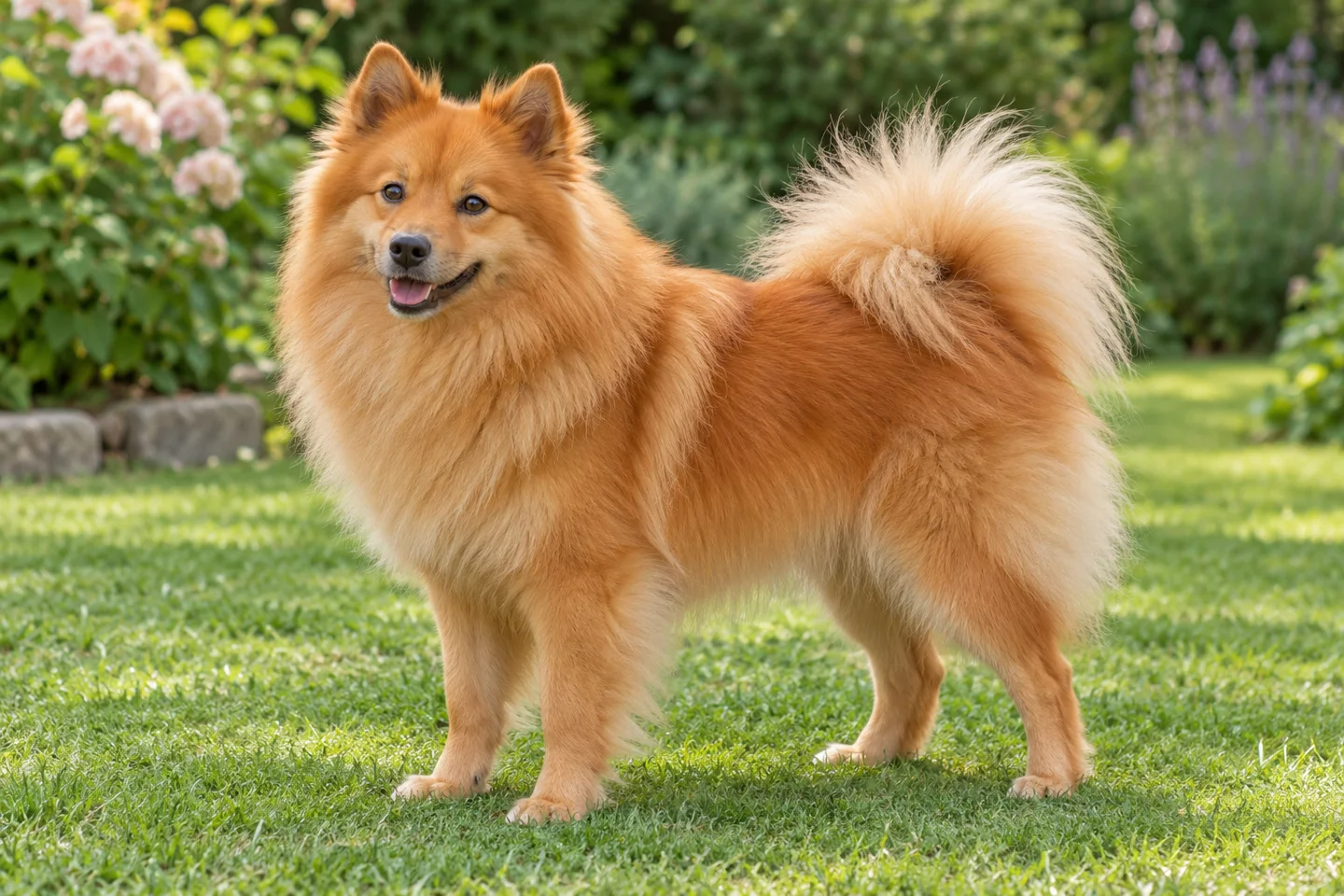
A German companion and watchdog family whose varieties need careful identification; this guide illustrates the orange Mittelspitz.
How these guides are researched and reviewed
- Origin
- Germany
- Illustrated variety
- Orange Mittelspitz
- Mittelspitz height
- 35 cm ± 5 cm
- Adult weight
- Proportional to size; no fixed FCI kilogram range
General information for owners. These articles have not been reviewed by a veterinarian. Medical decisions need your dog's history and an examination.
Which German Spitz does the label mean?
German Spitz can describe a family of varieties, so establish what a source means before comparing dogs. The FCI standard includes Wolfsspitz or Keeshond, Giant Spitz, Medium Size Spitz or Mittelspitz, Miniature Spitz or Kleinspitz, and Toy Spitz or Pomeranian. Registries do not necessarily organize every name in exactly the same way. Ask for the registered variety and the applicable standard rather than making a size or care assumption from a general advertisement.
This guide's images show an orange Mittelspitz. They should not be used as a visual size reference for a Pomeranian or a Giant Spitz. The breed family's history is German, with a companion and watch role reflected in the standard. Its account of ancient ancestry is a historical breed narrative, not an individually documented genetic pedigree for a modern puppy. For choosing a home, the relevant evidence includes the particular animal's parents where known, health records, behavior, and the routine under which it has been observed.
Adult height, weight, and the double coat
Under the FCI standard, the Giant Spitz is 45 cm plus or minus 5 cm at the withers, the Mittelspitz 35 cm plus or minus 5 cm, and the Kleinspitz 27 cm plus or minus 3 cm. Weight should correspond to size; a fixed kilogram target should not be invented for the Mittelspitz from another variety. Ask the veterinary team to evaluate body condition and growth rather than feeding toward a number found in an unrelated description.
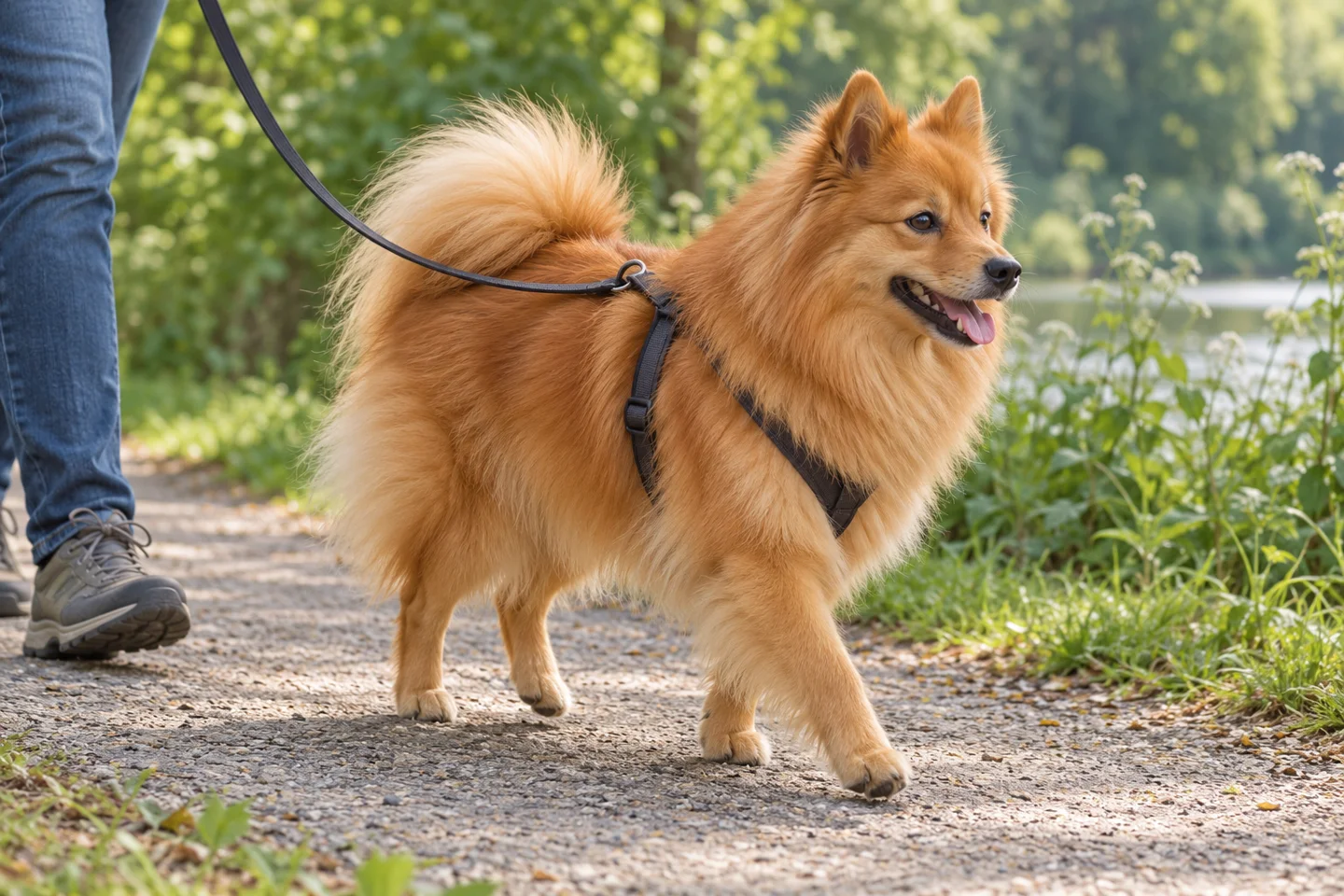
The standing coat, pointed ears, and bushy tail over the back create a recognizable silhouette. That volume can make a dog look heavier than it is, while also concealing changes in body condition or skin. Learn to assess the body beneath the hair with appropriate guidance. Check equipment fit at skin level so straps are neither loose enough for escape nor tight beneath a thick ruff. A photographic resemblance to another Spitz breed cannot establish ancestry, size, or the behavior an individual will show at home.
The household alarm and what happens next
An alert dog can become very aware of corridor sounds, passing vehicles, or someone approaching the garden. Before deciding how to respond, identify the sequence. Does one sound produce a brief bark followed by rest, or does it start a long period of rushing between windows? Note where the dog stands and what people do afterward. If every alert brings animated attention and a better view from a high chair, the household may be reinforcing a pattern it finds exhausting.
Teach a practical alternative when the setting is quiet. Reward moving away from the window toward a resting area, then rehearse with manageable sounds or planned arrivals. Reduce access to a view that repeatedly triggers distress while teaching proceeds. In an apartment, discuss the actual acoustic environment and nearby activity with a trainer. A larger home does not automatically solve the issue if the dog spends the day monitoring a busy boundary. The plan should help the animal recover rather than demand that the neighbors tolerate unlimited practice.
Training an attentive companion
Use brief sessions with clear rewards and a task the dog can perform. A turn toward the handler, entering a mat area, coming through a gate, and accepting a harness are useful foundations. Practise in varied easy settings before adding a busy pavement or an unexpected visitor. If the animal stops responding, examine the difficulty, reward, and environment before concluding that it is deliberately refusing. Making the task achievable provides information about what the learner understands.
AVSAB recommends reward-based methods. Avoid plans that depend on frightening the dog into silence or forcing close contact with a worrying person. Suppression of a visible response does not prove comfort. Ask a trainer how progress will be measured through recovery, choice, and skills that transfer to daily life. Keep cues understandable across the household, including anyone providing care during an absence. A dog that has learned one person's elaborate routine may need simpler shared actions before another handler can use the plan reliably.
Exercise for a dog whose coat suggests stillness
A full coat and compact silhouette can make a Mittelspitz look like a dog content to be carried through life. Give the individual opportunities to walk, investigate scent, learn, and move appropriately rather than judging needs from appearance. The amount and intensity depend on age, health, fitness, and response afterward. Discuss structured sport or a major change in activity with the veterinary team, particularly during growth or recovery.
Build rest into the schedule. Short searches, a calm exploratory route, and a clear end to play may be more manageable than repeatedly escalating excitement indoors. On warm days, choose conditions carefully, provide water, and stop when the dog shows difficulty. A double coat is not a guarantee against overheating, and a haircut cannot replace sensible management of heat and exertion. Ask the veterinarian and groomer about the individual coat and medical needs rather than adopting a universal shaving rule from a photograph or an online discussion.

Children, handling, and respect for space
Children may be drawn to the coat and want to scoop the dog up. Teach that contact starts with an invitation and stops when the animal moves away. Lifting, hugging, or holding the face can remove escape options and become frightening or uncomfortable. An adult should manage necessary handling, while children learn to interact alongside the dog without cornering it. Provide a resting place that remains private even when a child wants to continue playing.
Set the room up before a visit. Food, dropped snacks, toys, and narrow routes can create pressure that close observation alone may not resolve quickly. If an adult cannot supervise contact attentively, use comfortable separation. Ask about the individual dog's history around children, including the ages involved and the circumstances of any incident. A dog that enjoys sitting near an older child may still find a toddler's movements difficult. A general family-friendly description cannot answer those specific questions or replace a plan that protects everyone involved.
Aggression and why context matters
Take warnings seriously without turning them into a permanent story about the whole breed. A growl when someone reaches into a bed, a snap during a painful grooming task, and a lunge at another dog each need a factual account. Record the approach, distance, resource, possible retreat, and response. The size of the dog does not make the event irrelevant, particularly when a child or another animal could be hurt.
Arrange veterinary advice for a new handling sensitivity or other sudden behavior change. Stop repeating the trigger and protect those involved while a professional evaluates the problem. Punishing a warning may remove information without resolving discomfort. Tell a groomer, sitter, or clinician about previous incidents before the appointment or handover. Clear communication allows an appropriate plan, including changed access or professional behavior support where needed. Avoid asking a new person to prove that the dog will tolerate the same pressure simply because it seemed calm once the original interaction ended.
Other dogs without forced friendship
Match the meeting to the preferences of these animals. A Mittelspitz may enjoy a calm walk near another dog while finding repeated body contact unwelcome. Begin with space and independent exploration. Watch whether both can take breaks and turn toward their handlers. A large, enthusiastic visitor can overwhelm a smaller companion without a fight occurring. Create room when one animal repeatedly leaves, hides, stiffens, or cannot pause the encounter.
Home introductions need additional planning. Provide separate eating and sleeping places at first, and manage valued possessions. Sharing a path does not establish comfort around a sofa, a narrow kitchen entrance, or attention from a favorite person. Check that barriers fit the actual dogs, since a small gap or climbable object can defeat a plan designed only for the larger resident. If conflict continues, obtain guidance rather than leaving the animals to resolve every disagreement. A workable household gives each resident a reliable way to rest without persistent interruption.
Cats, small pets, and the garden
Do not translate a standard's general temperament description into a guarantee around every other species. Ask what contact the individual has actually experienced and under what management. A cat remaining still behind a barrier supplies different information from a cat running across an open room. Protect smaller pets physically and avoid testing control with an animal that cannot leave safely. Arrange access so every household resident can reach necessary food, water, and resting areas without repeated pressure.
Check garden boundaries from the dog's height. A gap under a gate or an opening around a drain may be easy to miss from an adult's standing view. Inspect fencing after maintenance and make arrangements for visitors before opening access. Practise returning indoors in ordinary circumstances with a reward, rather than using the cue only when enjoyment must stop. On walks, use secure equipment and routes appropriate to present skills. Being carried past a hazard may sometimes be necessary, but it should not replace teaching and a reliable day-to-day access plan.
Grooming through the coat to the skin
Ask a groomer to demonstrate how to part the coat and work gently through the layers. Brushing only the outer surface can leave tangles nearer the skin, particularly behind ears, under equipment, and around moving limbs. Keep sessions brief enough for cooperation and introduce the tools before a difficult knot appears. Tight mats require professional help. Scissors used against an unseen surface can injure skin drawn into the tangle when the dog moves.
Discuss bathing, drying, shedding, and any trim in relation to the actual coat and household. Persistent odor, irritation, hair loss, or discomfort needs veterinary advice rather than stronger products or more forceful brushing. Check straps and clothing for friction and trapped hair. Teach a comfortable position that allows the dog to pause during care. A maintenance plan is successful when skin can be checked and the animal remains comfortable, not when the owner manages to preserve a particular silhouette despite repeated distress or painful matting.
Teeth, feet, and ears are separate care tasks
Coat work can absorb attention while other needs are postponed. Build a routine for toothbrushing and nail care with professional guidance, introducing each task in small stages. Reward comfortable participation and stop to adjust if the dog becomes worried. A person should not have to hide equipment and surprise the animal every time. Predictable care gives the owner a better chance of noticing a change before the task becomes urgent or uncomfortable.
Observe visible ear areas and seek veterinary advice for head shaking, pain, discharge, or unusual odor. Do not probe the canal or reuse medication from another episode without instructions. Similarly, persistent licking of a foot or refusal to present it deserves investigation rather than a battle over compliance. Tell the professional where touch became difficult and whether the change was sudden. That detail helps distinguish a training need from a possible medical concern and allows safer planning for the next examination or grooming session.
Health information must match the variety
The Royal Kennel Club Health Standard lists eye examination under the BVA, Royal Kennel Club, and ISDS Eye Scheme for both German Spitz Klein and German Spitz Mittel. Ask for the relevant identifiable results and dates, and check the current requirements in the program the source follows. Do not borrow a genetic test list from Pomeranians, Keeshonds, or another Spitz breed simply because the names are related. A program's scope needs to be read precisely.
Discuss significant health concerns in the family as well as formal assessments. Ask about diagnosed conditions, longevity records where known, and how later owner updates are collected. Screening addresses particular questions and cannot promise that all future illness has been excluded. For an adopted adult with missing ancestry, keep the gap explicit and plan current care with the veterinarian. A DNA panel covers selected variants; a reassuring-looking coat and cheerful behavior cannot substitute for an examination when a new symptom occurs.
Nutrition, routines, and changes worth recording
Feed a complete diet appropriate to life stage and medical needs, measuring a starting allowance and adjusting through body condition with veterinary advice. Include training rewards and treats supplied by other people. A large coat can disguise gradual weight changes, so learn a hands-on condition check. Feed separately from other animals to reduce pressure and make intake easier to observe. An empty communal bowl cannot show which dog ate the intended portion.
Keep medical contacts accessible and record persistent changes in drinking, appetite, movement, skin, or behavior. Severe distress, collapse, or breathing difficulty calls for prompt veterinary attention. Give carers current treatment instructions and the route to urgent care. Secure medicines, waste, and visiting bags as well as the usual food cupboard. Household access changes when guests arrive or furniture moves, so review hazards during those transitions rather than assuming a system that worked last month still protects the dog in every new arrangement.
Mixes, absences, and the cost of support
A German Spitz mix may differ widely in coat volume, adult size, barking, and social preferences. A combined name does not establish which variety contributed ancestry or guarantee an easy maintenance compromise. Request relevant parent records where known and assess an adult's present behavior directly. Ask about time alone, handling, travel, and recovery after activity instead of relying entirely on the appeal of a fluffy photograph.
Budget for grooming help, training, appropriate care during absences, preventive medicine, and emergencies. Teach separations gradually within the dog's current coping ability, and seek help for sustained distress rather than extending it repeatedly. Test a proposed carer with a short practical trial while support is available. Demonstrate equipment, gate routines, and what to do when barking begins. The right home depends on a functioning daily plan and suitable support, not simply on choosing a dog small enough to fit the available floor space.
dogsDating introductions with private coordinates
Identify the variety on dogsDating so another handler has useful size information, then describe the individual's actual preferences. Mention relevant incidents and professional limits honestly. Keep exact home coordinates private and select a public meeting place with room to move apart. Check the route for narrow entrances, loose dogs, and other pressures that would make a controlled start difficult.
Begin with walking and separate sniffing rather than lifting the dog into close face-to-face contact. Leave shared food and favorite toys out of the encounter. Pause or finish when either animal repeatedly seeks distance or cannot recover. A short calm outing is enough to learn something useful. It does not establish indoor compatibility or breeding suitability, which need separate consideration and appropriate evidence. Both handlers should remain free to stop the meeting while the animals still have comfortable choices available.
Sources and editorial notes
Sources checked October 21, 2026. Breed measurements describe reference ranges, not a diagnosis or an individual dog's ideal weight. Images are AI-generated breed illustrations and do not document a particular dog or health condition.
- VCA Animal Hospitals: Grooming and coat care for your dog
- VCA Animal Hospitals: Ear infections in dogs
- VCA Animal Hospitals: Common emergencies in dogs
- VCA Animal Hospitals: Food aggression in puppies
- VCA Animal Hospitals: Heat stroke in dogs
- VCA Animal Hospitals: Aggression toward unfamiliar dogs, diagnosis
- AAHA: Feeding plans for healthy, appropriate weight cats and dogs
- Orthopedic Foundation for Animals: CHIC health screening programs
- AVSAB: Humane Dog Training Position Statement
- FCI: German Spitz official breed standard
- The Royal Kennel Club Health Standard: German Spitz Klein and Mittel
Keep getting to know dogs.
Read another guide or return to your dogsDating community.
Explore breed guidesBack to dogsDating