Norwegian Buhund
The Norwegian Buhund is a compact Nordic farm and herding dog with a dense coat and an energetic manner. A good home teaches useful responses to everyday activity, provides suitable exercise, and obtains clear hip and eye records.
How these guides are researched and reviewed
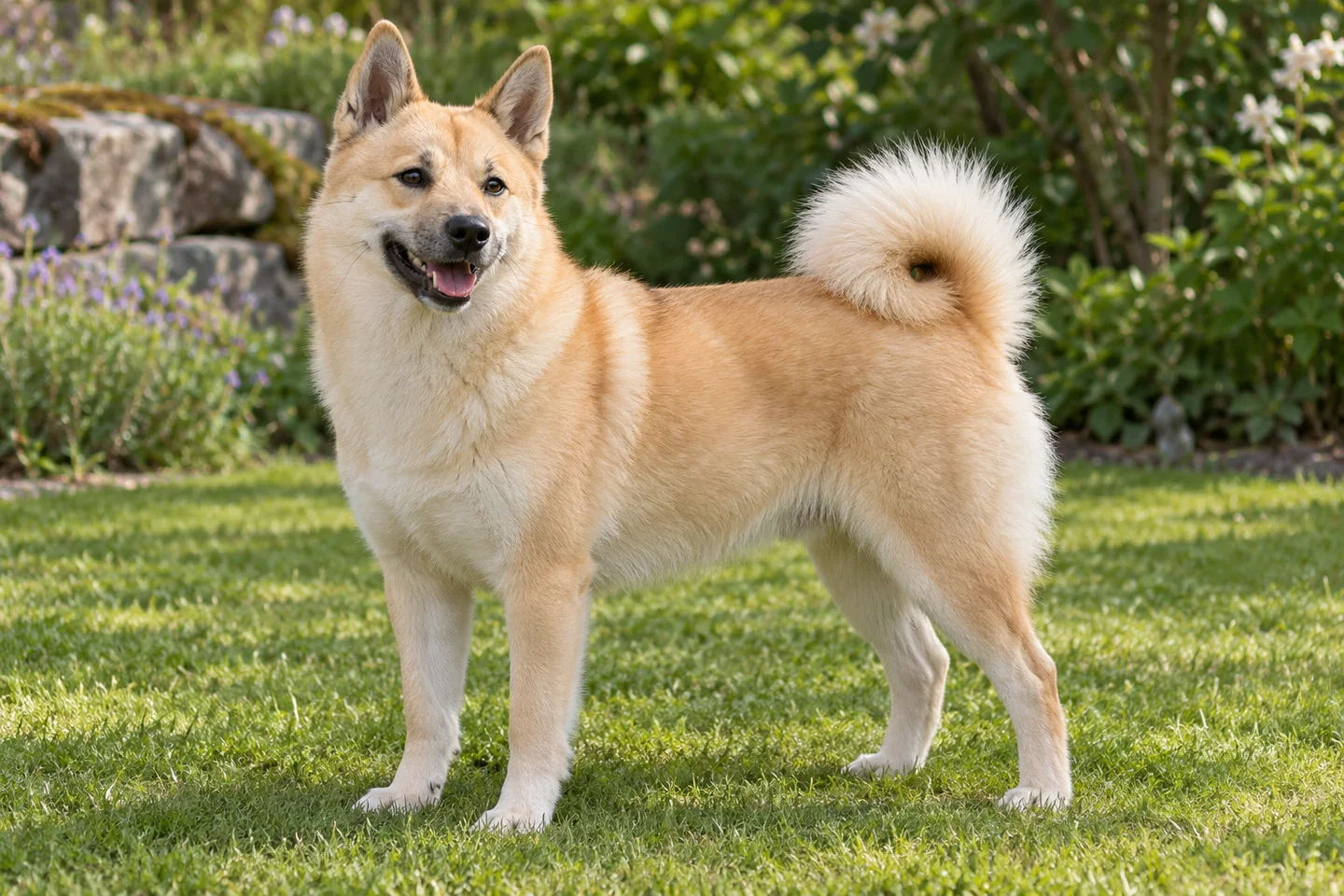
- Origin
- Norway
- Adult standard size
- Males 43–47 cm/14–18 kg; females 41–45 cm/12–16 kg
- Illustrated coat
- Wheaten double coat
General information for owners. These articles have not been reviewed by a veterinarian. Medical decisions need your dog's history and an examination.
A farm dog with a modern routine
The Norwegian Buhund is a distinct Norwegian Spitz associated with farm and herding work. It is not a small Norwegian Elkhound or a general name for Nordic dogs. The upright ears and curled tail are shared with several breeds, so use documents rather than appearance to verify a registered puppy's identity. For an adult of uncertain ancestry, confirmed behavior and clinical history remain useful even when the breed label is provisional.
A farm-dog background invites practical questions about a companion home. What will the dog do when neighbors pass, children run, or someone works at a desk? Where can it rest without monitoring every movement? Ask a breeder or foster carer for examples from ordinary life. Meet adults after the initial greeting and watch their ability to settle. A dog can be affectionate and interested while still needing teaching and management around household activity. Planning for that combination is more useful than assuming a compact size will make every part of care simple.
History and the meaning of useful work
The FCI account describes a longstanding Norwegian farm type and records approval of a first standard in 1926. It places the breed's work around herding and vigilance. Historical accounts provide context without establishing that a puppy has inherited trained skills or a particular response to visitors. Ask what the parents do now, how they are housed, and which traits the source seeks to preserve.
For a companion, useful work can be a search game, a short learning sequence, or foundations for an appropriate organized activity. It should also include learning when a task has ended. Teach a calm transition and allow sleep rather than keeping the dog waiting continually for the next event. Spend time around adults between performances if you are drawn to sport videos. Daily ownership includes waiting during bad weather, accepting care, and coping when the person is unavailable. A source who discusses those demands plainly helps you decide whether your expectations fit the particular dogs involved.
Current adult size and wheaten illustrations
The March 2026 FCI standard lists males at 43–47 cm and approximately 14–18 kg, and females at 41–45 cm and approximately 12–16 kg. These are adult conformation references. A veterinarian should help evaluate development, muscle, and body condition instead of using the range as a reason to push rapid weight gain. Assess beneath the coat because a dense outline can hide changes.
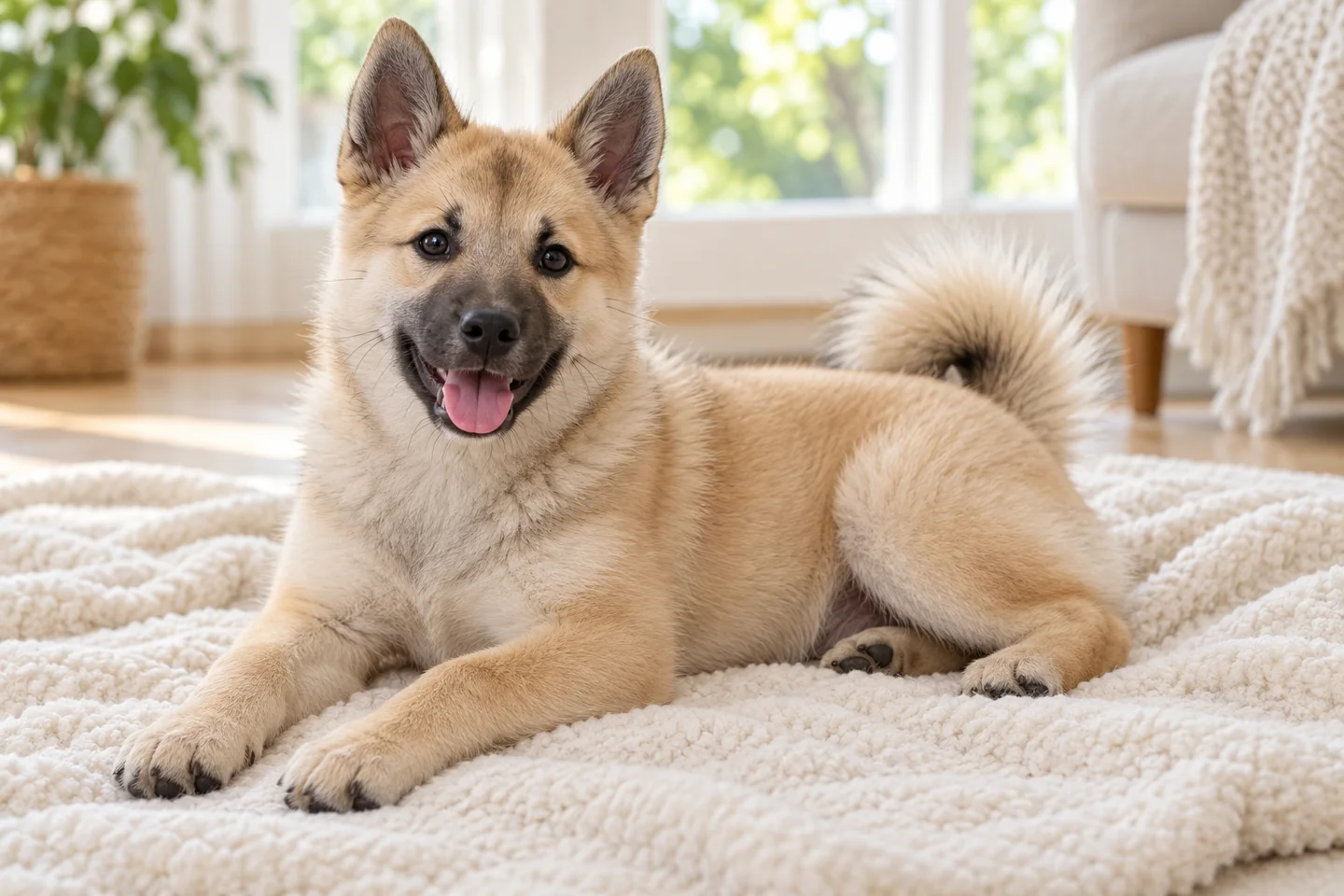
The build is approximately square, with pointed upright ears, a tightly curled full tail, and a dense double coat. Wheaten and black are recognized colors. This guide's AI-generated illustrations select wheaten, with a black nose and dark eyes. They cannot document a real animal's health or pedigree. Ask to see actual movement and relevant clinical records. A dog looking substantial in a winter coat may have a different frame from your first impression. Equipment should fit the individual body and allow comfortable movement, rather than being chosen solely from a breed-size label.
Energy and the ability to switch tasks
A Buhund may be ready to notice events and participate quickly. Help it learn which events require action. Reward quiet pauses while you make a small movement, then gradually extend the practice. Put a comfortable resting place where the dog can relax without being repeatedly stepped over. If every person rising from a chair begins a game, ordinary household movement can become more exciting than necessary.
Watch recovery after outings and visitors. A dog that remains vigilant or unable to sleep may need a simpler routine, more distance from a particular trigger, or professional assessment. Adding activity indefinitely is an unsuitable automatic response. Prepare periods apart in manageable steps too. A dog that enjoys close participation has not necessarily learned how to cope with an abrupt long absence. Ask for help when distress persists. A camera or direct observation can provide useful information about pacing, noise, and rest, rather than relying only on whether a neighbor heard barking.
Training for cooperation and daily boundaries
Use rewards to teach returning, waiting, turning with the handler, and releasing objects. Begin in easy surroundings and change one challenge at a time. An animal that responds in a familiar garden may need practice before the same cue works beside livestock or a busy road. Prevent unsafe access while teaching. A reliable boundary routine should not depend on a person shouting after the dog has already crossed the threshold.
Keep the household's cues consistent, including what signals that a task is finished. If several people train, share a brief account of the version the dog understands. Choose reward-based instruction when you need help with excitement or distraction. Ask how a trainer changes the setup when the dog cannot respond. Pain or frightening pressure can create additional associations with other dogs, people, or places. Useful teaching considers physical comfort, the environment, and the individual reward, instead of treating every failure as a challenge to the handler's authority.
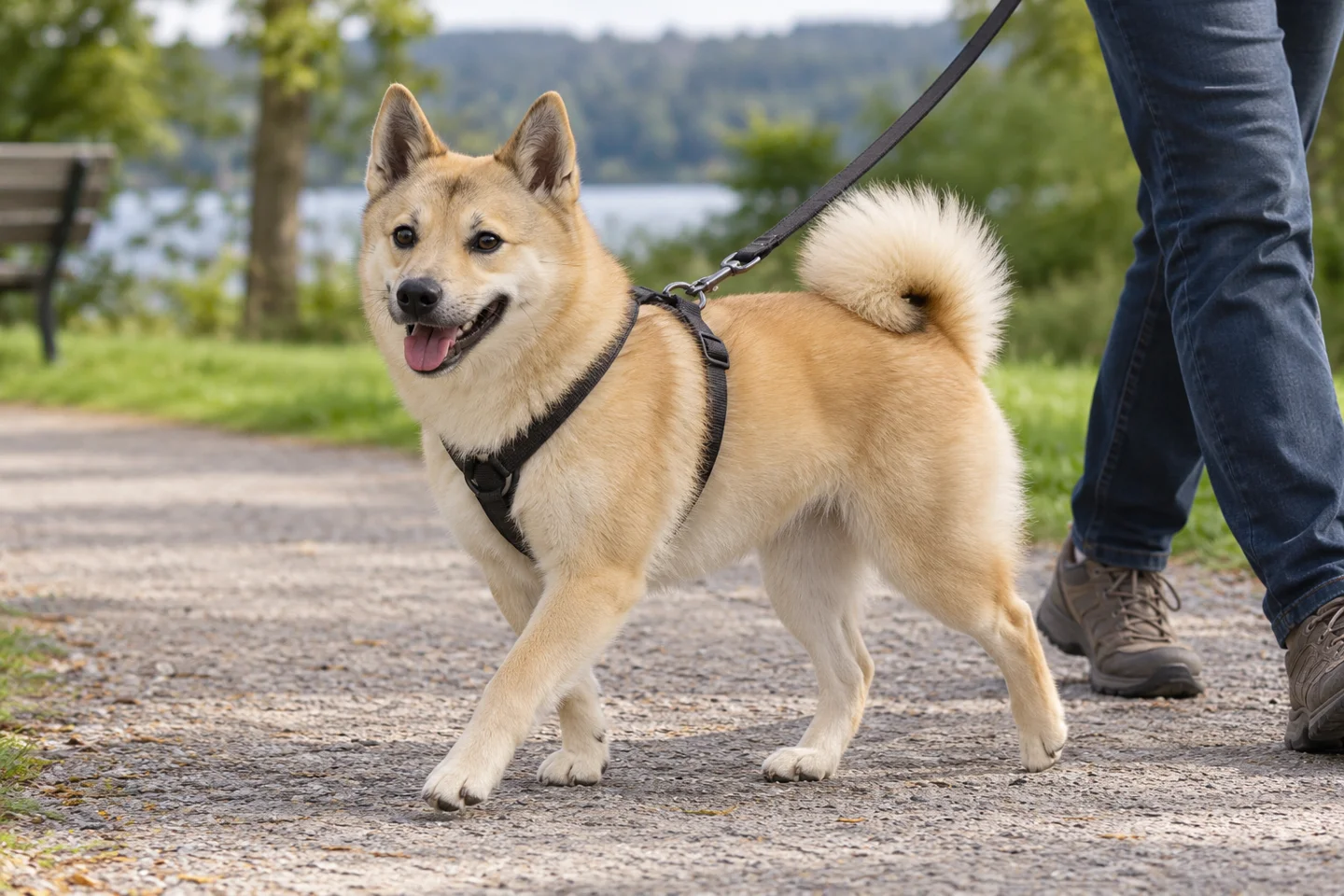
Plan transitions around equipment as well. Have the lead and rewards ready before opening the door, and practice fastening a harness without immediately rushing outside. The same sequence helps an occasional walker understand where the dog should wait. For car travel, use an appropriate secured space and rehearse entry and exit while parked somewhere quiet. Open the exit only after the handler has control of the lead. A familiar routine reduces the need to make quick decisions beside traffic when the dog notices something interesting.
Vocal behavior and the home environment
Investigate what prompts barking. Passing people, sounds in a shared corridor, separation, and play may require different responses. Reduce repeated exposure where practical, such as moving a bed away from the busiest window. Then practice an alternative at a manageable intensity: coming toward you, pausing on a mat, or turning away from the entrance. Reward before the dog becomes too excited to use the skill.
Keep a record when the cause is unclear. Time, location, the preceding event, and recovery can reveal a pattern. If barking accompanies persistent distress during absences, involve veterinary and behavioral professionals. Do not assume that a breed's history excuses an arrangement that leaves the dog overwhelmed or neighbors continually disturbed. Equally, do not demand absolute silence as proof of successful training. The practical aim is a manageable household routine with fewer repeated difficult situations and a response the dog understands. Explain the same procedure to visitors and carers so their actions do not repeatedly restart the problem.
Exercise, fitness, and weather
Provide daily walks and appropriate play, with enough time for investigation rather than only marching at the person's pace. Build demanding activity from current fitness. A dog returning after illness or a quiet period needs progression even if it previously managed longer outings. Ask the veterinarian about activity during growth or after treatment. A varied routine can combine movement, learning, and rest without turning every day into endurance training.
Check surfaces before running or practicing turns, and inspect paws afterward. Snow, rough ground, and heat can all alter the task. Carry water, adjust timing, and have a way to end the route if the dog struggles. Watch gait and recovery as well as enthusiasm. A dog keen to follow you can still be uncomfortable. New reluctance to move, unusual fatigue, or a change in normal stride deserves assessment. During medical restriction, clarify which quieter activities are allowed rather than substituting energetic indoor play that places the same demands on the body.
Aggression and movement around the family
A herding background does not make grabbing a running person's clothes acceptable or harmless. Prevent rehearsal and teach a different response at a distance where the dog can succeed. Use separation during activity that currently overwhelms it. Do not ask children or visitors to serve as repeated tests while the household waits for the dog to learn through confrontation.
Assess food, touch, and dog-related conflict on their own terms. A warning may reflect fear, discomfort, or a situation the dog cannot escape. Stop when it becomes still, retreats, growls, or snaps, then review the sequence. New handling reactions warrant veterinary attention. A bite history requires disclosure and an individual plan with qualified support. Avoid physical contests intended to prove control. Breed identity cannot certify safety or explain every reaction. Reliable management protects people and the dog while you investigate the cause and teach useful skills, rather than repeatedly arranging the same difficult encounter and hoping the next attempt will differ.
Children and appropriate participation
Children can help with simple searches, familiar cues, or a supervised walk while an adult controls the situation. Avoid games that encourage the dog to pursue them or leap toward hands. Protect rest and meals. A child should invite contact and accept the dog's decision to leave, rather than following it into a bed or corner. An energetic dog needs clear limits around energetic children, with adults responsible for making them practical.
Ask which ages and activities the individual has experienced. Living comfortably with an older child offers limited evidence about a toddler or a noisy gathering. Use a gate or separate room when attention is divided. Visiting children need instructions before access, especially around chews and sleeping areas. If the dog repeatedly avoids a child, take the signal seriously and end contact. Seek help when fear or warnings recur. A relationship can develop through manageable experiences over time; neither child nor dog should be forced into close contact to demonstrate that the household can make it work.
Other animals and learned self-control
Do not infer safe livestock work from ancestry. A companion dog needs informed instruction and permission before approaching someone else's animals. Chasing or repeatedly circling a pet can also be distressing even if described as herding. Protect cats with routes and resting places beyond the dog's access, reward disengagement, and use separation while assessing the response. Never hold a cat in place for a forced greeting.
Introduce dogs with room to move and handlers able to interrupt. Look for the ability to pause and turn away, rather than interpreting every fast movement as compatible play. At home, feed separately and provide individual beds during adjustment. Sharing a walk is a different context from sharing a valued toy or human attention. If repeated pursuit, blocking, or conflict develops, change the setup early. Qualified advice is preferable to letting animals rehearse confrontations. Similar size or another Nordic breed label cannot establish that two individuals will enjoy the same play style or household arrangement.
Grooming a dense Nordic coat
Work through the coat gently enough to inspect beneath the outer hair, particularly during shedding and where equipment rubs. Check behind the ears, around the hindquarters, and at the tail base. A short-looking outline can still conceal retained loose undercoat or irritation. Ask a groomer to demonstrate suitable tools if maintenance becomes difficult. Avoid scraping the skin or pulling at compacted material until the dog struggles.
Dry the dog appropriately after wet activity and examine paws for trapped debris. Include nails, teeth, and ear observation in the routine. Toothbrushing and nail care are learned tasks, so introduce them in short rewarded stages. Persistent ear odor, discharge, or repeated head shaking needs veterinary advice. Do not insert implements into the canal. If a previously comfortable task becomes difficult, investigate pain and technique rather than assuming disobedience. A practical care schedule should allow regular inspection without turning every session into a confrontation, and backup professional help should be arranged before the coat becomes a problem.
Health records and different forms of cataract
Hip and eye assessment are central questions in the breed. NKK's program effective January 2026 requires known hip status and current eye examinations for breeding, with specific rules that distinguish cataract types. Ask which program applies to the parents and obtain the actual reports. The word cataract alone is insufficient detail for interpreting a finding. A specialist diagnosis and the relevant current guidance matter.
Discuss what an eye result means for the dog rather than assuming every form has the same effect on vision or breeding decisions. A generic DNA panel cannot be substituted for a required clinical examination. Keep dates and recommendations so follow-up is clear. If your own dog develops an uncomfortable eye, visual hesitation, or another change, contact the veterinarian regardless of previous favorable records. Likewise, investigate altered movement rather than relying on an old hip summary. Screening supports informed decisions; it cannot guarantee every later outcome. Ask how a breeder shares new diagnoses in relatives and keeps records useful after puppies leave.
Feeding, mixes, and household resources
Use a complete life-stage-appropriate diet and assess condition beneath the coat. Measure food and include training rewards, particularly when several people practice with the dog. Workload and routine may change seasonally, so review intake rather than using the same amount indefinitely. Persistent changes in weight, appetite, or drinking deserve attention. Tell the clinic about supplements and medical foods so advice reflects the complete diet.
A Buhund mix may have different coat, size, and behavior from the parent pictured in a listing. A crossbreed name cannot guarantee a predictable temperament or freedom from inherited disease. Evaluate the individual and ask what is documented. Obtain local costs for routine care, training, secure equipment, transport, boarding, and emergencies. Read insurance exclusions and terms for continuing conditions. Consider practical backup if your schedule changes or the dog requires restricted activity. A sustainable placement depends on reliable time and help as well as the initial fee, and a source should discuss support when difficulties arise rather than relying on a cheerful breed description.
Introductions and privacy on dogsDating
Describe the individual Buhund's meeting preferences on dogsDating. Explain whether it likes a steady walk, needs time before closer greetings, or becomes too excited around toys. Choose a public route wide enough to adjust distance and begin with parallel movement. Watch whether both dogs can disengage and recover. A noisy or lively arrival does not by itself establish whether closer contact will be enjoyable, so take time to observe.
Keep exact user coordinates private. Approximate discovery and an agreed public landmark can support planning without publishing a household address or private training location. Review photographs for identifying information. If either dog persistently avoids the encounter, stiffens, or cannot respond after more space is provided, finish calmly. Record the useful conditions for future plans. A short shared walk can be a successful first meeting without loose play. Human expectations about two energetic dogs should follow the animals' actual behavior and each handler's ability to maintain a comfortable arrangement throughout the encounter.
Sources and editorial notes
Sources checked October 22, 2026. Breed measurements describe reference ranges, not a diagnosis or an individual dog's ideal weight. Images are AI-generated breed illustrations and do not document a particular dog or health condition.
- AVSAB: Humane Dog Training Position Statement
- VCA Animal Hospitals: Food aggression in puppies
- Orthopedic Foundation for Animals: CHIC health screening programs
- VCA Animal Hospitals: Aggression toward unfamiliar dogs, diagnosis
- VCA Animal Hospitals: Grooming and coat care for your dog
- VCA Animal Hospitals: Ear infections in dogs (otitis externa)
- AAHA: Feeding plans for healthy, appropriate weight cats and dogs
- VCA Animal Hospitals: Heat stroke in dogs
- AVSAB: Puppy Socialization Position Statement
- VCA Animal Hospitals: Dog behavior problems, aggression toward children
- American Kennel Club: Herding group health testing requirements
- Norwegian Kennel Club: Norwegian Buhund breeding program effective January 2026
- Norwegian Buhund Club of the UK: hereditary cataracts
- Fédération Cynologique Internationale: Norwegian Buhund official breed standard
Keep getting to know dogs.
Read another guide or return to your dogsDating community.
Explore breed guidesBack to dogsDating