Italian Volpino
The Italian Volpino is a small, watchful Italian Spitz with a full coat and an active interest in family life. Plan for alert barking, regular coat care, and clear eye-health records.
How these guides are researched and reviewed
- Origin
- Italy
- Adult standard size
- Males 27–30 cm; females 25–28 cm; weight proportional
- Illustrated coat
- White stand-off double coat
General information for owners. These articles have not been reviewed by a veterinarian. Medical decisions need your dog's history and an examination.
The Italian Volpino and its names
The Italian Volpino is the Volpino Italiano, a compact Italian Spitz traditionally kept as a watchful companion. Both names refer to the same breed. Its pointed ears, pointed muzzle, full neck coat, and curled tail can invite comparisons with other small Spitz dogs. A resemblance alone cannot identify ancestry. When buying a registered puppy, ask which registry issued the pedigree and check that the registered parents match the documents supplied.
The breed's history makes alert behavior relevant to ownership. A dog that notices approaching people may also notice a neighbor's footsteps through an apartment wall. Decide before bringing one home where it can rest away from the busiest window and how visitors will enter. Small size makes transport convenient, but the dog still needs opportunities to walk, explore, learn, and decline contact. A household that wants a silent ornament may find the Volpino's involvement in everyday events difficult to accommodate.
History and the modern household
The FCI account places the Volpino among European Spitz relatives and describes an Italian history of companionship and announcing strangers. It also records a twentieth-century decline followed by renewed registrations. These details explain the breed's traditional role without establishing that any modern puppy will behave exactly like its ancestors. Ask people who live with the parents what the dogs do when a delivery arrives, when someone leaves, and when the household finally settles for the night.
The practical question is how those tendencies fit your address. A detached home with a quiet room offers different options from a flat beside a communal staircase. Watch an adult Volpino in ordinary circumstances if possible. A short show appearance may reveal movement and handling, while a home visit can reveal recovery after excitement. Discuss the specific behavior you can support. An owner who enjoys teaching a dog to leave the window on cue has different expectations from someone who needs near silence throughout long video calls.
Size, coat, and honest identification
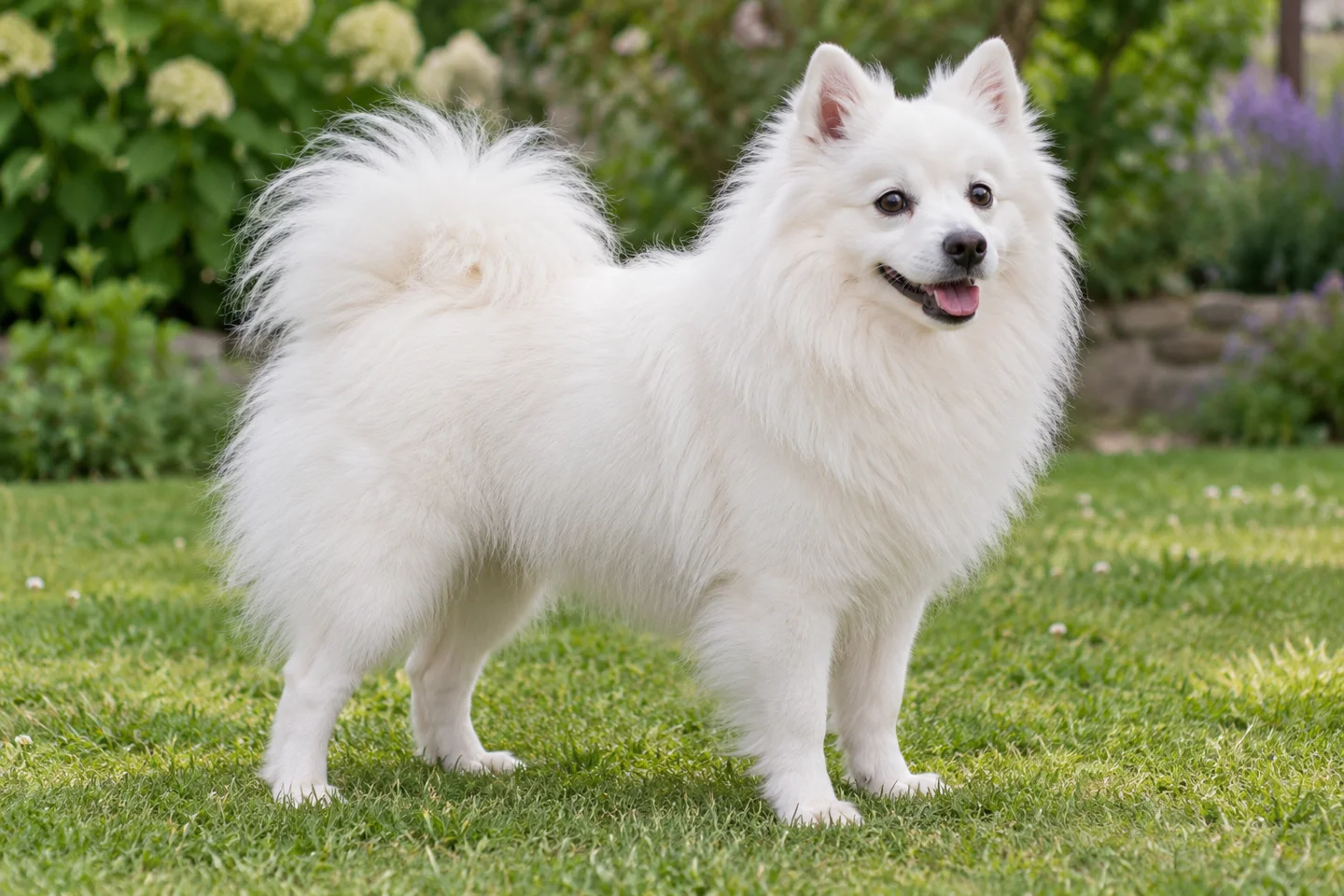
The current FCI standard gives male height as 27–30 cm and female height as 25–28 cm at the withers, with weight proportional to size. These are adult conformation references. They are unsuitable as a reason to restrict a growing puppy's food or to overlook an adult's body condition. Ask the veterinarian to assess the individual beneath the coat. A large ruff can hide both weight gain and a harness that has become too tight.
The illustrated dog in this guide is white. The stand-off double coat, triangular erect ears, dark eyes, black nose, and tail carried over the back matter more for interpreting the illustration than a fashionable haircut. The image is an AI-generated illustration, not a photograph proving pedigree or health. If a seller advertises an unusually tiny dog, request the parents' verified measurements and veterinary history. Labels such as miniature or teacup do not create a separate FCI variety or make an undersized animal a safer purchase.
Temperament and household rhythm
A Volpino may stay closely involved with its people, moving between rooms to investigate activity and taking an interest in arrivals. Individual dogs differ in confidence, tolerance for handling, and ability to settle. Give a newcomer a predictable routine with a bed that people do not continually disturb. Invite contact rather than making constant petting the price of sitting beside the family. Rest helps a busy companion cope with the next period of activity.
Alone time needs deliberate preparation. Begin with separations the dog can manage, using a comfortable safe area and a calm return. A camera can reveal whether an apparently quiet dog actually paces, pants, or watches the exit throughout your absence. Persistent distress calls for veterinary and qualified behavioral help. Getting another dog solely to solve that distress can leave two animals with unmet needs. Before adoption, ask about the dog's experience of being alone and arrange support that fits the first weeks of adjustment.
Aggression and preventing bites
Watchfulness does not establish that a Volpino will bite, and a small mouth does not make a bite acceptable. Consider the situation that precedes a warning. A dog cornered beside a sofa, lifted while asleep, or chased for a stolen object may feel unable to avoid contact. Stop the interaction and change the arrangement. Growling provides information about discomfort. Punishing the warning can make the next incident harder for a person to anticipate.
Practice exchanging objects before a problem develops. Offer an appropriate reward, allow the dog to release the item, and avoid grabbing at its face. Use a barrier when visitors arrive if the doorway repeatedly becomes frantic. A dog that has bitten, snapped repeatedly, or begun reacting unexpectedly needs an individual assessment, including a check for pain. Explain the history plainly to carers. Useful details include where the person stood, whether the dog could leave, what was being handled, and how quickly the dog recovered after space became available.
Children and respectful handling
Children can enjoy a small companion while still needing an adult to manage access. Floor-level activities are often easier to supervise than carrying. A child can scatter a few pieces of the dog's measured food for a search while the adult controls the space. The dog should be free to move away. Avoid games in which several children follow it around the room or compete to hold it on their laps.
Arrange the home so supervision does not depend on someone noticing every movement. A gate can protect the dog's sleeping area during a party, homework session, or energetic play. Teach children to call an adult when the dog takes something, rather than reaching under furniture. Watch the dog as well as the child. Repeatedly turning away, hiding, becoming still, or trying to escape indicates that the interaction needs to end. A breed description cannot certify an individual dog for a household, particularly when its previous experience with children is unknown.
Training an alert companion
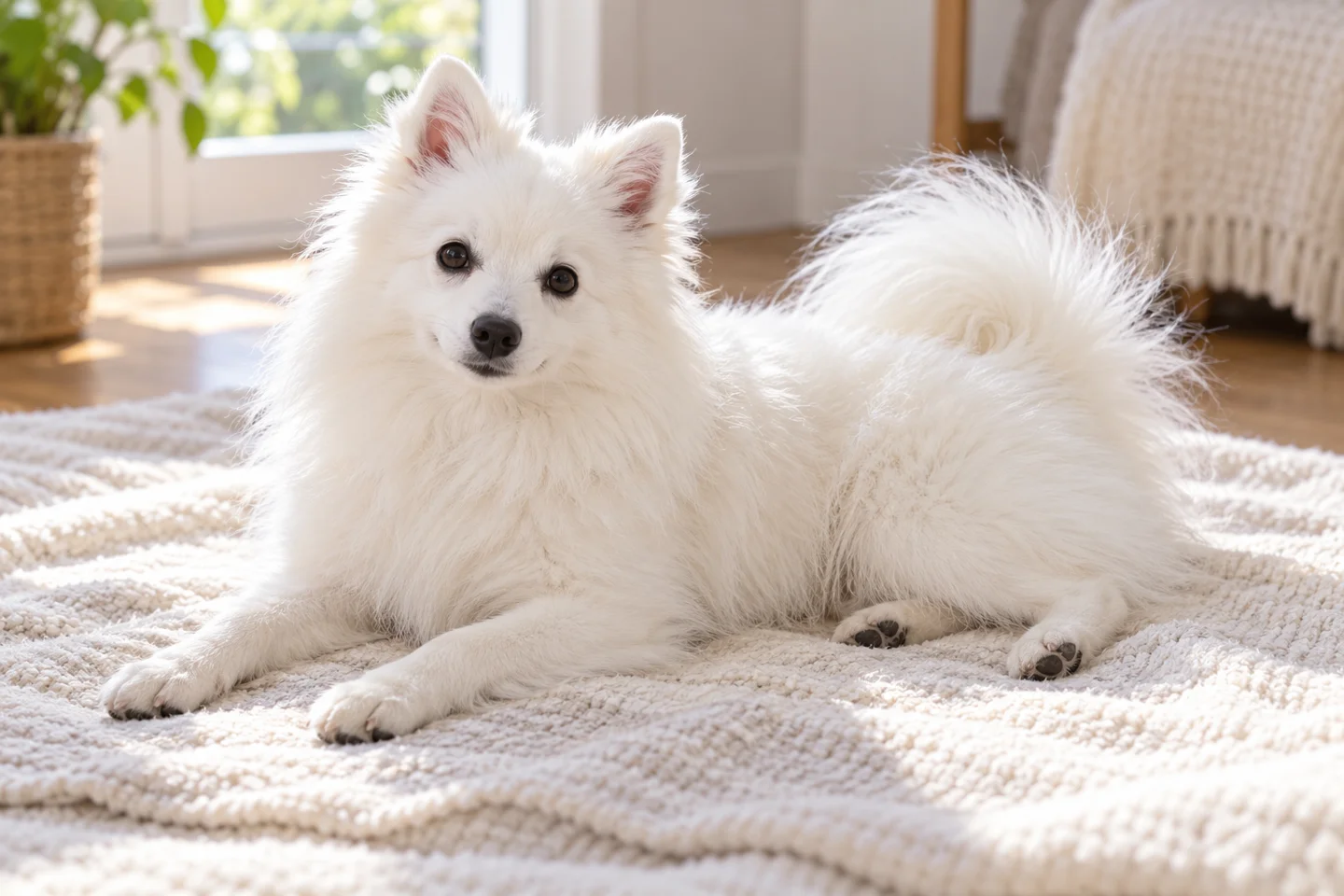
Teach the dog what to do after it notices a sound. Start with an easy version, such as a quiet knock made by a helper, and reward moving toward a mat away from the entrance. Gradually change the sound and the helper's location. If the dog cannot take food or respond, make the exercise easier. Shouting over barking may add excitement without teaching an alternative. Household members need the same arrival routine so the dog can predict what follows the noise.
Useful daily skills include coming away from an open door, stepping into a harness, waiting on a stable surface, and releasing an object. Work in brief sessions with rewards the individual values. Avoid pulling a reluctant dog toward a stranger to demonstrate friendliness. A reward-based professional can help arrange manageable practice when the environment is difficult. Ask how the trainer responds to fear and mistakes before booking. Methods that frighten or hurt the dog can create additional problems around the very people and places you want it to accept.
Exercise, play, and weather
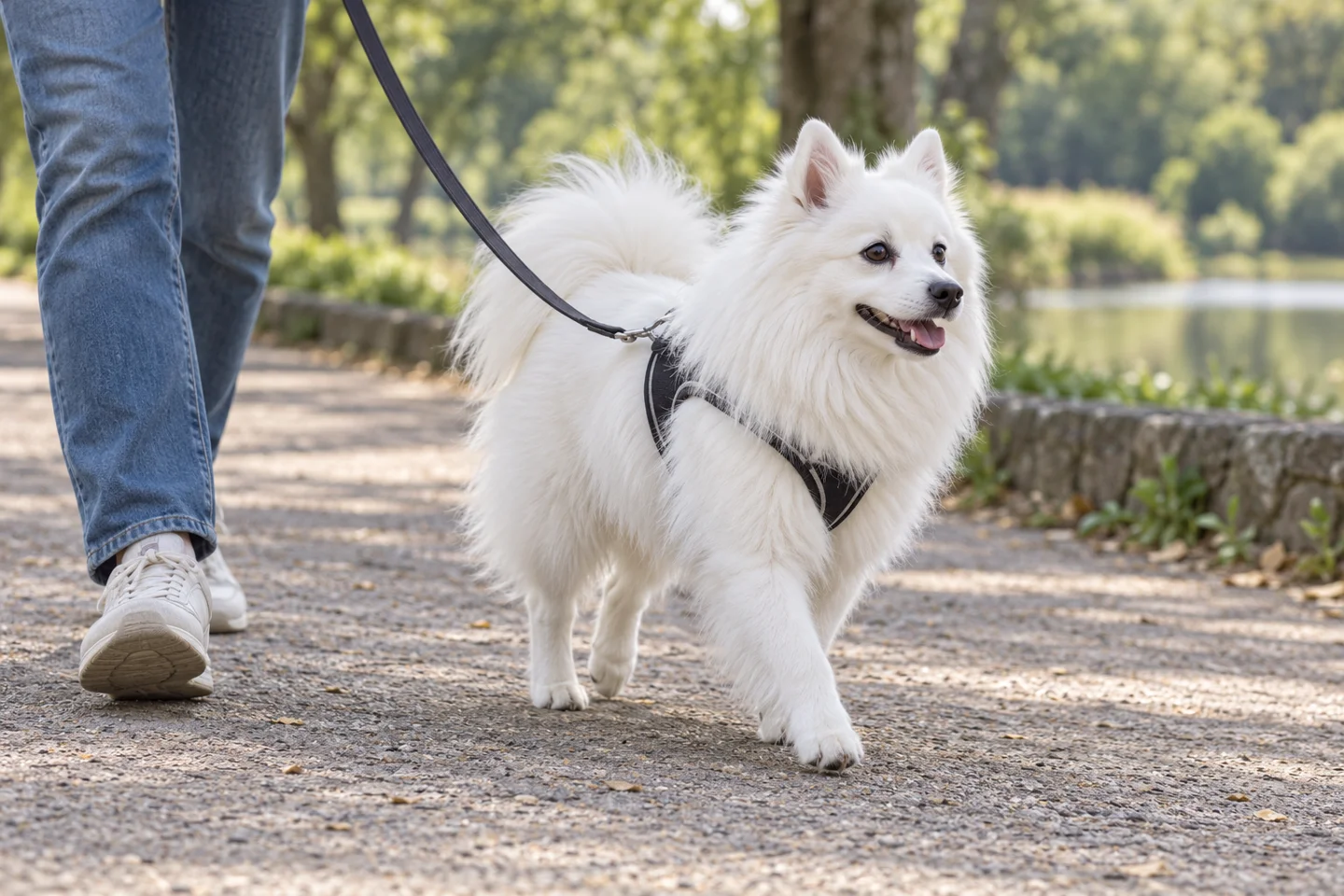
Plan daily walks and opportunities to investigate smells, with activity adjusted to age, fitness, and health. A garden provides convenience but may offer little novelty if the dog spends every day watching the same fence. Vary safe walking routes and include simple searches or reward-based games indoors. The aim is a dog that can use its body and attention, then rest comfortably. Relentless stimulation can keep an already watchful dog on duty throughout the day.
A thick coat does not remove the need to consider temperature. In warm weather, choose cooler hours, bring water, and check the walking surface. Provide shade and a cool resting place. In wet conditions, dry the coat properly and inspect areas where equipment has rubbed. Build longer outings gradually and ask for veterinary advice if the dog becomes reluctant to continue, moves differently, or takes unusually long to recover. Carrying a tired dog home is useful emergency planning, but routine walks should remain within that individual's comfortable capacity.
Grooming a stand-off double coat
Work through the coat in small areas so the brush reaches the layers close to the skin without scraping. Pay attention behind the ears, beneath the harness, and around the hindquarters, where friction or moisture can conceal tangles. A quick pass over the outer hair may leave compacted material underneath. Teach the dog to stand or lie comfortably on a nonslip surface, and finish a short successful session before patience runs out.
Ask a groomer familiar with Spitz coats to demonstrate tools and technique on your dog. Coat care should keep skin accessible for inspection and prevent painful matting. Avoid pulling through a tight knot while someone restrains the dog more firmly. Severe mats may require professional removal. Discuss clipping with the veterinarian or groomer according to the actual skin condition and procedure needed, rather than accepting an absolute claim about every double-coated dog. Check nails, teeth, and skin alongside brushing. A clean white coat cannot establish that the mouth is comfortable or that the nails are an appropriate length.
Eye health and the meaning of a PLL result
Primary lens luxation deserves a specific conversation when choosing an Italian Volpino. UC Davis lists the breed among those appropriate for its PLL DNA test. The lens can move out of position and cause painful complications. The laboratory also identifies a slight clinical risk for carriers. Ask for the actual result and discuss its interpretation with the veterinarian, rather than accepting the single word clear as an explanation of all eye health.
A DNA report concerns the variant tested. It does not replace examination of a painful eye or provide a lifetime guarantee against every cause of visual impairment. Ask who will arrange clinical eye assessment, which dogs were examined, and when. If your own dog develops an abnormal-looking or painful eye, seek prompt veterinary advice instead of waiting for a routine appointment because its parents had favorable results. Keep the laboratory report with the clinical record so a new practice can see exactly what was tested and avoid relying on a verbal summary passed through several owners.
Feeding, preventive care, and everyday records
Measure food and reassess the amount as growth, exercise, and body condition change. Include training rewards in the daily total. The small dog beside the kitchen counter can receive a substantial proportion of its intake through apparently tiny extras. Feel beneath the coat as well as watching the scales, and ask the clinic to show you how to assess condition. Choose a complete diet appropriate to the dog's life stage unless the veterinarian has prescribed another plan.
Make dental care a learned routine. Introduce handling around the mouth gently and ask for a suitable brushing demonstration. Chews and grooming products need to suit the individual; purchasing something advertised for small breeds does not establish safety. Record vaccination, parasite prevention, medication, and any adverse reactions with dates. If you travel between regions, review prevention with the vet before departure. These records help a sitter or emergency clinic act accurately. They also make it easier to notice a real change in appetite or activity against the dog's usual pattern.
Mixes, sourcing, and the cost of ownership
A Volpino cross may have a different coat, size, or response to strangers from the parent pictured in an advertisement. A crossbreed nickname does not define a predictable variety. Ask what is actually known about both parents and meet the individual dog without assuming that mixed ancestry removes inherited risks. For an adult rescue, observations from a home or foster placement can be more useful than a confident guess about ancestry based on a photograph.
Budget for repeated coat care, preventive veterinary visits, food, training, and care during absences. Obtain local estimates for dental treatment and emergency assessment as well as the initial purchase or adoption fee. Insurance terms vary, so read exclusions and the way ongoing conditions are covered. A responsible source will discuss barking, handling, health documentation, and what happens if the placement fails. Consider an adult if the uncertainty of puppy development does not fit your household. The right decision depends on the animal's needs and the help you can reliably provide.
Meeting through dogsDating
Describe your Volpino's actual meeting preferences on dogsDating. Explain whether it enjoys walking near calm dogs, needs room around its head, or becomes vocal when another dog approaches quickly. Choose a public walking place with enough width to turn aside. Arrive separately and begin moving in the same direction at a distance where both dogs remain able to respond. A shared walk can be worthwhile without immediate nose-to-nose contact or loose play.
Keep exact home coordinates private. Use an approximate area for discovery, and agree on the public meeting point without publishing your home entrance or daily departure schedule. Photos should show the dog without revealing address labels or identifying documents. If the Volpino repeatedly seeks your legs, barks while backing away, or cannot recover after more space is offered, finish the encounter. Record what happened so the next introduction can be easier. A match in the app permits a conversation; it does not oblige either handler to continue a meeting that no longer suits their dog.
Sources and editorial notes
Sources checked October 21, 2026. Breed measurements describe reference ranges, not a diagnosis or an individual dog's ideal weight. Images are AI-generated breed illustrations and do not document a particular dog or health condition.
- AVSAB: Humane Dog Training Position Statement
- VCA Animal Hospitals: Food aggression in puppies
- Orthopedic Foundation for Animals: CHIC health screening programs
- VCA Animal Hospitals: Aggression toward unfamiliar dogs, diagnosis
- VCA Animal Hospitals: Grooming and coat care for your dog
- AAHA: Feeding plans for healthy, appropriate weight cats and dogs
- VCA Animal Hospitals: Heat stroke in dogs
- AVSAB: Puppy Socialization Position Statement
- VCA Animal Hospitals: Dog behavior problems, aggression toward children
- UC Davis Veterinary Genetics Laboratory: Primary lens luxation
- Fédération Cynologique Internationale: Italian Volpino official breed standard
Keep getting to know dogs.
Read another guide or return to your dogsDating community.
Explore breed guidesBack to dogsDating