Kishu Ken
A Japanese hunting breed with white, red, and sesame coats, whose companion care needs secure outings, patient teaching, and documented screening.
How these guides are researched and reviewed
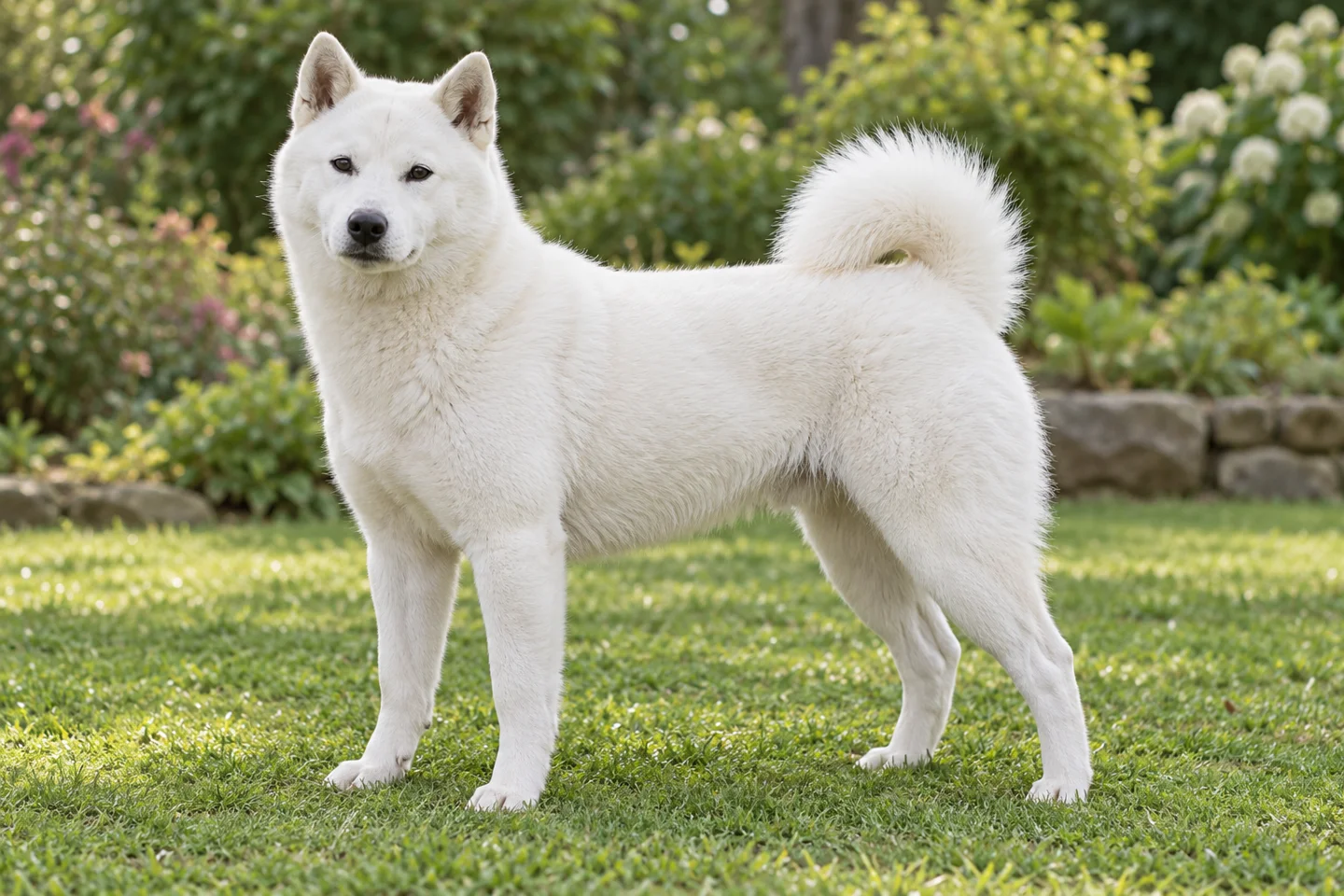
- Origin
- Japan; Kishu districts of Wakayama and Mie
- FCI height reference
- Males 52 cm; females 49 cm, with the standard’s stated tolerance
- Accepted colors
- White, red, and sesame; images select white
- Natural features
- Erect ears and a full curled or sickle tail
General information for owners. These articles have not been reviewed by a veterinarian. Medical decisions need your dog's history and an examination.
A Kishu needs more than a liking for white dogs
The Kishu Ken is a Japanese hunting breed with an athletic frame and a need for thoughtful everyday management. A white coat and curled tail may first attract an owner, but the decision should include secure walks, animal introductions, company, and access to medical care. Ask how the individual responds to moving wildlife and how it spends quiet hours. These are practical questions that an attractive picture cannot answer.
Describe your home to the source before selecting a puppy or adult. Explain existing pets, shared entrances, work hours, and the routes you normally walk. Meet adult dogs and ask for examples of their behavior in comparable settings. A knowledgeable source should distinguish observed needs from hopes about how an animal might adapt. The goal is an appropriate match between the individual and a routine you can maintain. A less familiar breed should receive the same careful assessment as a more common companion, without rarity becoming a reason to overlook missing information.
Kishu region history and a separate Japanese breed
The FCI traces the Kishu to the mountainous districts of Wakayama and Mie in Japan. It records hunting use, particularly boar and historically deer, and designation as a natural monument in 1934. The account explains that solid coat colors came to be selected in the recognized type. Those details distinguish the Kishu from other Japanese hunting spitz breeds rather than reducing all of them to interchangeable size or color choices.
Ask which identity records accompany the actual dog and how the source documents its family. A plain white spitz can resemble several breeds, and appearance alone does not prove ancestry. If an adult rescue is described as Kishu-like, preserve the degree of certainty and gather reliable observations about care. Heritage is useful context for questions about hunting interest and preparation, while present experience determines how to organize a move. Do not assume a dog has learned household skills simply because its ancestors worked cooperatively with people in a different setting.
Adult height accepted colors and the chosen example
The FCI gives height references of 52 centimeters for males and 49 for females, with a tolerance stated in the standard. It recognizes white, red, and sesame, so the breed should not be described as exclusively white. The coat combines a harsh straight outer layer with a soft undercoat. Natural ears stand upright and tilt slightly forward, while the full thick tail may curl or form a sickle over the back. The illustrations here select white.
Look at comfortable function when meeting a real dog. Check its movement, breathing, and body condition rather than comparing only a posed silhouette. Fit a harness around the actual chest and neck beneath the hair, and reassess during growth or a major shed. Prepare secure travel equipment and a bed sized for the adult. Reference measurements cannot predict every puppy's final dimensions or supply a feeding target. Ask the veterinarian to interpret growth and condition for the individual rather than choosing the largest number because it looks impressive.
Preparing doors gates and unfamiliar surroundings
A new environment can change a dog's responses even when it was relaxed in its previous home. Plan the route from car to house and keep equipment secure during collection. Check gates, fence lines, and gaps before giving access to the garden. Use an additional barrier at a busy entrance if necessary. Do not expect an unfinished recall skill or a growing attachment to prevent escape when the animal is startled or absorbed by something outside.
Explain handover routines to everyone who helps. A sitter should know where equipment is fitted, which doors must remain closed, and how to move the dog into a comfortable separate area. Practice these actions during quiet periods so they are familiar. Review the arrangement after changes such as building work or new furniture near a boundary. The useful test is whether ordinary people can follow it reliably on a distracted day. A system that depends on catching the animal at the last moment needs improvement before a preventable incident occurs.
Training around motivation and distraction
Teach useful responses in small stages: looking toward a handler, walking a few steps on a loose lead, and returning from a short distance. Reward promptly and keep the setting easy enough for success. Outside, scent and movement may compete strongly for attention. Increase those demands gradually rather than assuming a cue practiced indoors is ready for wildlife. Use appropriate management while learning develops so an unsafe choice cannot become the lesson.
AVSAB supports reward-based methods and advises against aversive training. Ask a prospective instructor how they will make the desired behavior clear and what they will do when the task is too difficult. Escalating physical confrontation is not a necessary answer to independence. Keep goals specific and record what works. Moving onto a mat while a visitor remains outside is a more useful teaching target than a vague demand to be obedient. Teach necessary handling separately, with short comfortable participation and a way to pause.
Exercise and safe outlets for hunting attention
Ask about the Kishu's actual response to wildlife before planning freedom from the lead. A hunting background makes secure exploration important, without predicting the same response from every dog. Choose suitable enclosed space and inspect it first. Keep control near roads, livestock, and small animals. Do not approach wildlife as a test of instinct or rely on a favorable experience elsewhere to establish that a different setting is safe.
The daily activity plan should reflect age, condition, and response afterward. Walking, sniffing, appropriate play, and brief learning can provide different forms of engagement. Ask the veterinarian about growth, recovery, or sport before making a major change. Notice persistent stiffness, altered movement, or unusual fatigue and arrange assessment. Enthusiasm at the beginning is only one observation. Keep a quieter option for difficult weather or household disruption and preserve genuine rest. More excitement is not always the answer to a dog struggling to settle indoors.
Company rest and learning to be alone
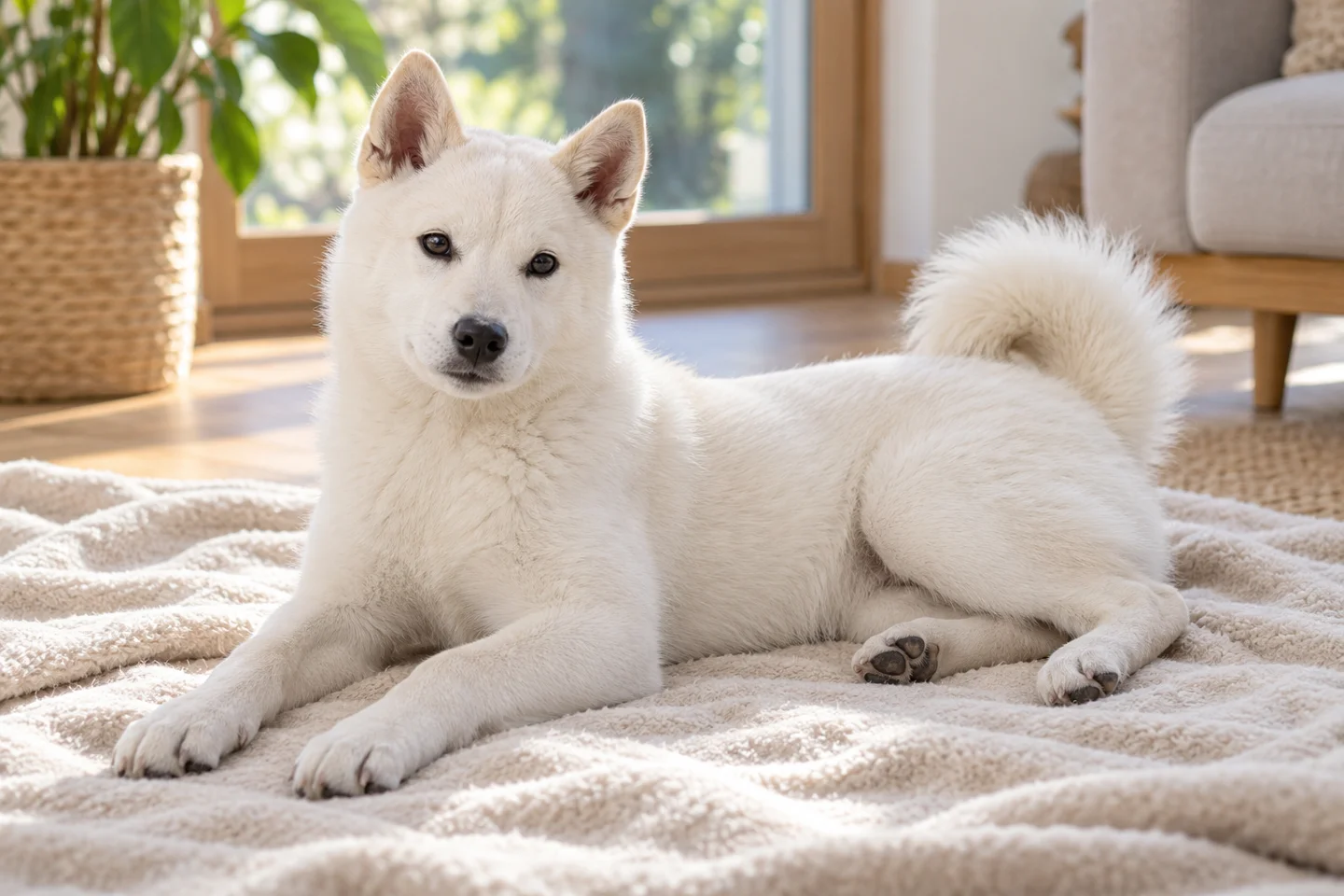
Find out how the animal has previously spent its quiet hours. A dog that rests beside a familiar person may have little experience of being alone in a new house. Arrange support during the transition and introduce absence at a manageable level. Watch for persistent distress and obtain advice rather than simply extending the time until the dog stops expressing it. Another pet is not an automatic solution and may add social difficulty of its own.
Create a resting area with limited unnecessary disturbance. Reward calm choices and avoid a routine in which activity must escalate before the dog receives attention. Reduce visual triggers if passing traffic or animals keep it constantly alert. Keep the household sequence predictable while gradually teaching useful flexibility. A written account of what happens before and after difficulty can help a professional assess the situation. The goal is comfortable rest supported by clear arrangements, rather than treating vigilance or pacing as inevitable because the animal belongs to a working breed.
Social experience that respects a reserved response
A puppy's early experience should prepare it for the environments it will actually encounter. Discuss disease precautions with the veterinary team and choose manageable exposures. Let the puppy watch people, surfaces, vehicles, or other animals from a comfortable distance. It should be able to withdraw. Repeatedly surrounding a worried animal is not a more effective lesson simply because more people are involved. Keep sessions brief and follow its response.
For an adult, begin with a clear account of previous experience. A quiet rural upbringing and a busy apartment corridor create different learning needs. Introduce a visitor or unfamiliar place gradually, avoiding the expectation that the dog must immediately accept touch. Ask for guidance when fear, avoidance, or threat repeatedly disrupts ordinary care. Comfortable coping is a useful aim without universal sociability. Management remains necessary even after a good exposure history, since health, context, and the specific people and animals present can change an encounter.
Children and predictable limits around contact
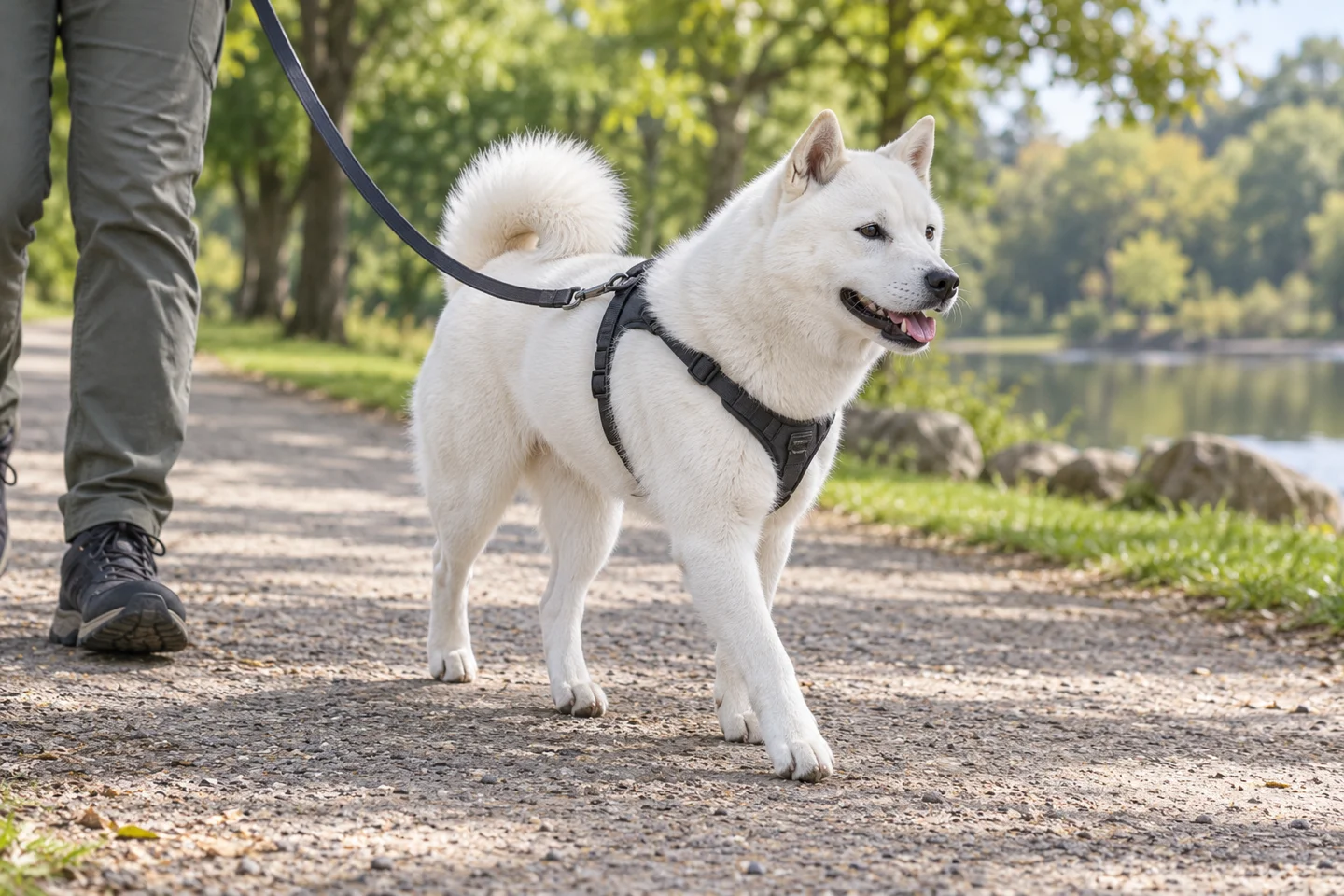
Children should be taught to allow the dog to approach and to let it leave. An adult needs to supervise actively and protect meals, chews, and rest from interference. Keep a retreat where children cannot follow. Do not ask a child to control a collar, remove a valued object, or hold the dog for an examination. These arrangements should be in place before the first busy visit rather than introduced only after a warning.
Ask the source about concrete experience with children of comparable ages and behavior. A dog calm with a teenager may have no history around toddlers running or reaching suddenly. Suitable shared activities can be controlled and short, with an adult responsible for the animal. A child might help prepare a search or watch a simple lesson from a comfortable position. End before excitement rises. If supervision becomes impossible, separate comfortably. Breed labels and affection toward familiar adults cannot establish safety for every child in every setting.
Aggression and the information a warning provides
If the Kishu stiffens, growls, snaps, or bites, prevent another exposure and document the sequence. Who approached, what was present, how close were they, and could the dog leave? A sudden difficulty with touch or movement deserves veterinary attention. Avoid using loyalty, protection, or stubbornness as a complete explanation. Those labels do not tell a clinician or behavior professional what triggered the response or which practical changes are needed immediately.
Do not punish warning signals or repeat a confrontation to prove the dog can be made to tolerate it. VCA describes different motivations for aggression toward unfamiliar dogs, so releasing a lunging animal is an unsafe test of friendliness. Maintain distance and secure management while qualified help is arranged. Reduce resource competition and teach voluntary exchanges where appropriate. Carers need an accurate account of incidents and current restrictions. A plan should be achievable in the real household and reviewed when health, environment, or the people responsible for care change.
Other dogs cats and small animals
Discuss potential canine partners individually. Ask about the dog's response to familiar housemates, strangers on walks, and animals near valued resources. These are different situations. Begin introductions where both handlers can create distance and avoid a compulsory close greeting. Keep separate meals and rest places while the relationship is assessed. A more energetic partner may overwhelm a quieter dog without either being generally aggressive, so observe whether each can disengage and rest.
Cats require protected routes and access to places the dog cannot reach. Small pets need secure separate housing. A calm look through a barrier cannot prove safety when another animal runs, and a hunting background makes careful observation particularly important. Never hold a pet still for inspection or allow a chase as an experiment. Consider whether continuing separation is realistic before placement. Good intentions cannot replace a physical arrangement that remains reliable when doors are opened, visitors arrive, or the usual supervising person is briefly distracted.
Grooming the double coat with comfortable access
Inspect the coat beneath the outer layer and ask an experienced groomer to demonstrate gentle undercoat maintenance. Shedding may require additional attention, particularly where loose hair packs under equipment or behind moving limbs. Work in short sections on a stable surface. Stop if an area is painful. Tight mats near skin need skilled help, and scissors should not be used blindly where the dog's skin may be drawn into the tangle.
A white illustration should not imply that constant cosmetic whitening is necessary. Bathe when appropriate with suitable products and dry comfortably. Persistent odor, irritation, hair loss, or repeated scratching needs veterinary advice rather than increasingly strong shampoos. Record the timing of any change and what products or equipment were used. Teach a useful standing position and brief handling while the dog is relaxed. The routine should keep skin accessible and care manageable over time, including when the animal is older or being looked after by someone else.
Health screening should name the actual assessments
The AKC's current FSS health recommendations for Kishu Ken list patella, hip, elbow, ophthalmologist, and thyroid evaluations. Ask for records identifying the relevant dogs, dates, and findings. If a source follows another national program, request its current requirements and explanation. A general statement that the parents passed a panel is not enough to establish which clinical assessments occurred. Genetic results and examinations provide different information and should not be treated as substitutes for one another.
Discuss important diagnoses in relatives and whether the breeder receives later updates from owners. Screening cannot promise lifelong health, and a favorable result does not make a new symptom unimportant. An adult without parental records still needs a current examination and preventive plan, with the missing history acknowledged. Report persistent changes in gait, vision, appetite, drinking, or tolerance of exercise. Avoid inventing prevalence figures from a few reports or interpreting a working performance as proof that every relevant body system is normal.
Food routine care and an urgent-care plan
Choose a complete diet appropriate to life stage and clinical needs, and review portions with your veterinary team. Measure what is offered and include training rewards in the day's total. Assess body condition by touch beneath the coat and keep weights over time. A historical description of sparing appetite is not a reason to ignore a persistent change in eating. Bring the clinic a clear account of intake, activity, and any associated signs.
Introduce mouth, foot, and ear checks in small comfortable steps. Ask which products and methods are appropriate, and seek assessment for pain, ear discharge, odor, or repeated head shaking. Keep prevention suited to residence and travel. Have emergency contact details and a way to transport an animal unable to walk. Collapse, severe breathing difficulty, serious injury, poisoning, or repeated unsuccessful attempts to vomit calls for prompt clinical contact. Follow the receiving team's instructions and avoid medicines chosen without professional guidance.
Mixes and choosing a home for the actual dog
A white upright-eared dog may be called a Kishu mix without documented ancestry. Ask what the description is based on and distinguish records from appearance. A cross can vary in size, coat, hunting interest, and social response. It does not guarantee health or combine only the convenient features of each parent. When parents are known, request relevant information about both. For an adult, reliable observations in ordinary settings and a current medical examination can be especially useful.
Obtain local costs for suitable equipment, food, veterinary prevention, professional teaching, and care during absences. Consider the time required for secure activity and a slower introduction plan as well as money. Ask what support follows placement and review written return arrangements. Avoid letting rarity or the prospect of a white puppy hurry the decision. The appropriate household can maintain the routine consistently and revise it when health or behavior needs change, rather than relying on the dog's appearance or reputation to fill gaps in preparation.
dogsDating walks that preserve choice
Describe the Kishu's observed preferences on dogsDating and disclose any restrictions advised by a professional. Keep exact coordinates and the home address private. Use an approximate area to agree on a public place with wide paths and an easy exit. Confirm that each adult can manage their own dog. A first meeting should not require shared transport, a home visit, or a close greeting, and either owner should be able to shorten the plan without pressure.
Begin with parallel walking at a comfortable distance and allow both animals to explore the surroundings. Leave shared toys and competitive food games out of the initial encounter. If either becomes stiff, repeatedly avoids the other, or cannot disengage, create more space or finish. Afterwards, note the specific conditions that helped instead of assigning a permanent friendship label. A familiar quiet walking partner can be useful company while physical play remains unnecessary. The meeting succeeds when it improves the dogs' experience under conditions their handlers can maintain.
Sources and editorial notes
Sources checked October 21, 2026. Breed measurements describe reference ranges, not a diagnosis or an individual dog's ideal weight. Images are AI-generated breed illustrations and do not document a particular dog or health condition.
- AVSAB: Humane Dog Training Position Statement
- VCA Animal Hospitals: Food aggression in puppies
- VCA Animal Hospitals: Common emergencies in dogs
- Orthopedic Foundation for Animals: CHIC health screening programs
- VCA Animal Hospitals: Aggression toward unfamiliar dogs, diagnosis
- VCA Animal Hospitals: Grooming and coat care for your dog
- VCA Animal Hospitals: Ear infections in dogs (otitis externa)
- AAHA: Feeding plans for healthy, appropriate weight cats and dogs
- AVSAB: Puppy Socialization Position Statement
- VCA Animal Hospitals: Dog behavior problems, aggression toward children
- FCI: Kishu official breed standard
- AKC: Miscellaneous Class/FSS Health Testing Requirements
Keep getting to know dogs.
Read another guide or return to your dogsDating community.
Explore breed guidesBack to dogsDating