Glen of Imaal Terrier
A low, substantial Irish terrier whose working history, strength, and hunting interest deserve attention beyond its modest height.
How these guides are researched and reviewed
- Origin
- Ireland
- Male adult height
- Maximum 35.5 cm
- Male reference weight
- 16 kg
- Female size
- Accordingly less in the FCI standard; no separate numeric range
General information for owners. These articles have not been reviewed by a veterinarian. Medical decisions need your dog's history and an examination.
A local Irish terrier with a working past
The Glen of Imaal Terrier takes its name from the Glen of Imaal in Ireland. The FCI history describes a local working terrier used against quarry and vermin, with Irish Kennel Club recognition in 1934. That practical background is more useful for understanding the dog than a story based solely on its appealing face. A companion does not need to perform historic work, but its owner should have a safe plan for interest in small animals, digging, and persistent investigation.
Ask a breeder or rescue how its adults spend ordinary days and what they find difficult. A quiet pose at a meeting may be quite genuine while supplying little information about a rat moving beside a shed or a close encounter with an unfamiliar dog. Learn what this individual has actually experienced. The source should describe behavior around handling, visitors, other animals, transport, and time alone with enough detail to guide a care plan. A breed's relative rarity makes careful records valuable; it does not make broad claims about every animal more reliable.
Height does not tell the whole physical story
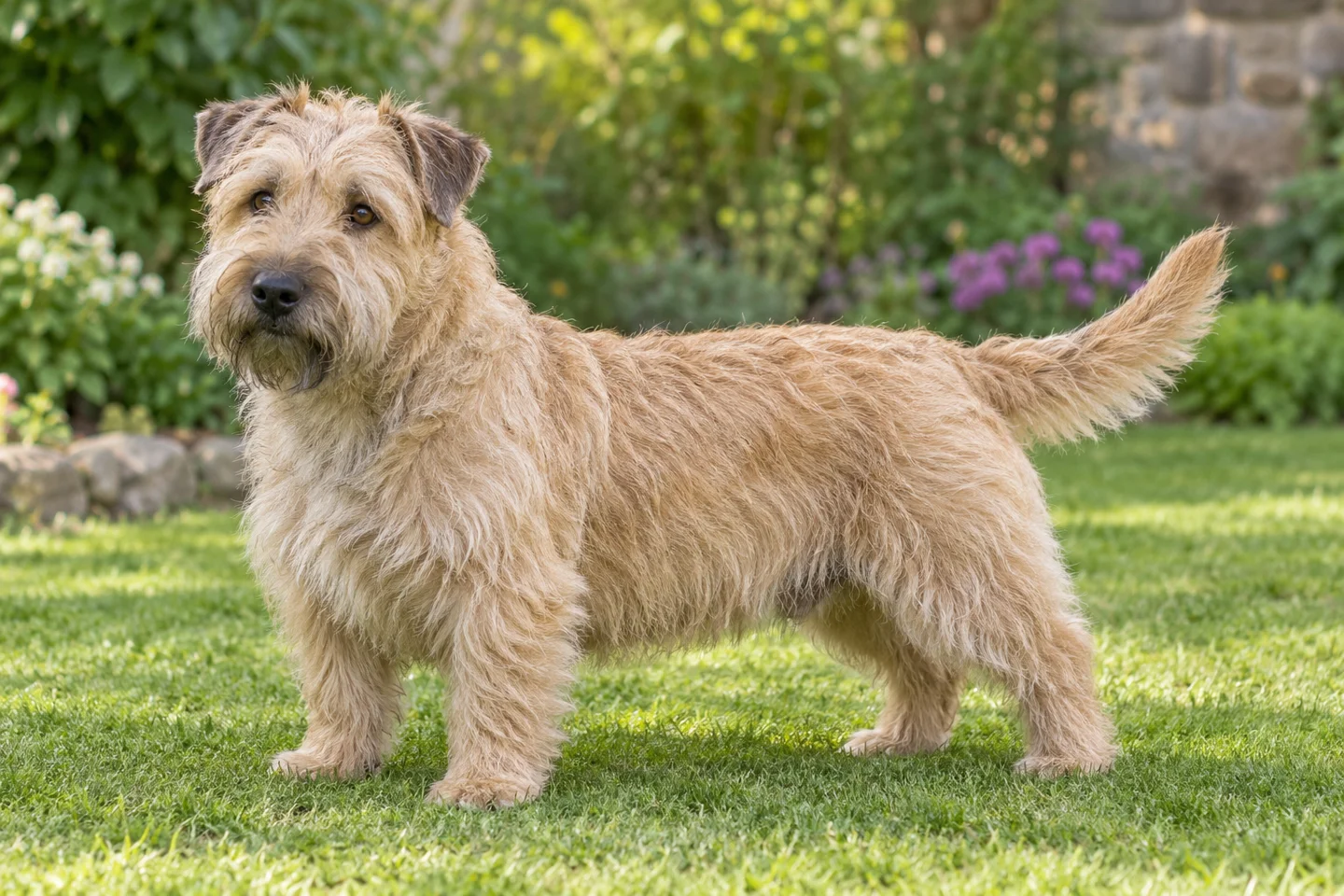
The FCI standard gives males a maximum height of 35.5 cm and a reference weight of 16 kg. Females are described as accordingly less, without a separate numerical range. The body is longer than tall, low to the ground, and substantial. These illustrations show a wheaten dog with natural ears and a full tail. The official coat description includes a harsh outer texture with softer undercoat. Numeric standard information describes the breed's adult form rather than the ideal weight for every individual.
Measure the practical challenges at home. A low dog may need help reaching a vehicle, and a substantial one may be harder to lift than a person expects from a photograph. Ask the veterinary team to demonstrate safe assistance appropriate to the animal's health. Equipment should fit the actual chest and limb movement without rubbing. Review growth and body condition rather than feeding toward the reference weight. If stairs, slippery floors, or a high entrance are unavoidable, discuss how access will work throughout the dog's life before committing to the placement.
Persistence needs a safe destination
A Glen investigating a garden corner may remain interested after the owner has finished watching. Instead of relying on repeated interruption, identify what the dog is seeking and manage access. Inspect the area for wildlife, escape opportunities, or household hazards, then provide an acceptable activity elsewhere. Reward returning to the handler when the task is still easy. A cue used only after the dog has become absorbed in something highly rewarding has a poor opportunity to develop reliability.
Offer deliberate outlets that fit the individual: an easy scent search in a secure space, a brief training problem, or exploration along a suitable route. Teach a clear beginning and finish so the owner can guide activity without repeatedly taking things by force. If a particular game increases arousal to the point that pauses become difficult, simplify or choose something else. Persistence can support learning when the task is understandable; it becomes a household problem when people unknowingly reward the behavior they want to interrupt or expect a young dog to infer unspoken boundaries.
Training a strong dog close to the ground
Teach useful positions and transitions without needing to bend over or restrain the animal repeatedly. A target, stepping onto a suitable platform, moving through a gate, and entering a resting area can make daily care easier. Begin on comfortable surfaces and introduce any equipment gradually. Reward the action you need, then add duration or distraction in small increments. If a task fails in a new setting, return to an easier version rather than escalating pressure.
AVSAB recommends reward-based methods. Ask a trainer how they respond when a dog guards an object, becomes worried during handling, or cannot disengage from another animal. The plan should include management and teaching, with medical or behavior assessment where indicated. Physical confrontation over a possession can create danger and does not establish that the animal understands a safer exchange. Practise voluntary releases in easy situations, keep hazardous items inaccessible, and give carers the same usable routine. The strongest person should not be the only one able to manage daily events.
Exercise and sensible access
Build activity around the dog's age, health, conditioning, and response afterward. Walks with time to investigate, appropriate movement in secure space, and short learning sessions can serve different needs. Modest height should not be treated as proof that the animal needs no activity, while enthusiasm should not be used to justify any distance or obstacle. Discuss demanding sport or a change in exertion with the veterinary team, particularly for a growing dog or one recovering from illness.
Look at surfaces, route design, and the return home. A path that requires repeated difficult climbing may need an alternative even when the overall walk is short. Provide quiet recovery and observe changes in movement or willingness to rise. In warm conditions, adjust timing, carry water, and stop when the dog shows difficulty. A dog absorbed in an outdoor task may continue trying despite discomfort. The handler must manage conditions and access rather than relying on determination as a safety signal or increasing exercise whenever the animal is unsettled indoors.
Social learning without a crowded timetable
Introduce new experiences at a distance and pace that allow the dog to remain able to observe and recover. Watch a person moving a bin, hear unfamiliar equipment, and practise calm waiting without adding close contact at the same moment. A successful social experience may end without a greeting. If the animal freezes, hides, or tries to leave, reduce the demand and seek advice when difficulty persists. Remaining still under restraint is not enough evidence that it has become comfortable.
Teach handling separately from busy outings. Short sessions around feet, face, coat, and equipment can prepare the dog for necessary care without overwhelming it. For an adult joining a new home, begin with current observations and documented history. Unknown early experiences should remain unknown rather than becoming a story that dictates every response. Keep practical notes about what the animal finds easy and what helps it recover. These can guide the next session and make a handover to another carer more consistent.

Children and a dog that needs its own space
The Glen's low outline can place its face near a child's hands and dropped possessions. Set up contact so neither participant needs to compete over food, toys, or access through a small space. Children should not climb on, hold down, lift, or corner the dog. Teach them to stop when it moves away. A private resting area is necessary even when the animal usually enjoys sitting near the family, and adults should protect that area reliably.
Supervision requires an adult who is watching and ready to intervene. During busy meals or visits, comfortable separation may be the more practical arrangement. Ask about this individual's history around children, including ages, handling, and any incidents. A pleasant greeting with an older visitor does not establish how the dog will respond to a toddler reaching into a bed. Adults should manage food and care tasks, especially where discomfort or guarding has occurred. The breed's reputation cannot replace the layout, attention, and boundaries needed by the particular household.
Aggression, pain, and the value of warnings
Take a growl or snap as information requiring protection and assessment. Record what was happening, who approached, the distance, any resource involved, and whether retreat was possible. A response during brushing may involve discomfort, while a conflict over a resting place presents different immediate management needs. Calling the behavior typical terrier determination is not a useful substitute for describing those circumstances. The professional needs the event rather than a broad personality label.
A sudden change in response to touch or movement warrants veterinary advice. Tell the clinic before arrival so handling can be planned. Do not punish warnings or repeatedly recreate the trigger to see whether the dog still reacts. Separate safely around the difficult situation and seek qualified behavior support where needed. Share the factual history with carers, including snaps or bites, even if the event happened only once. Clear information helps another person avoid repeating the same pressure and allows the care plan to address the actual risk.
Small pets, wildlife, and barriers that work
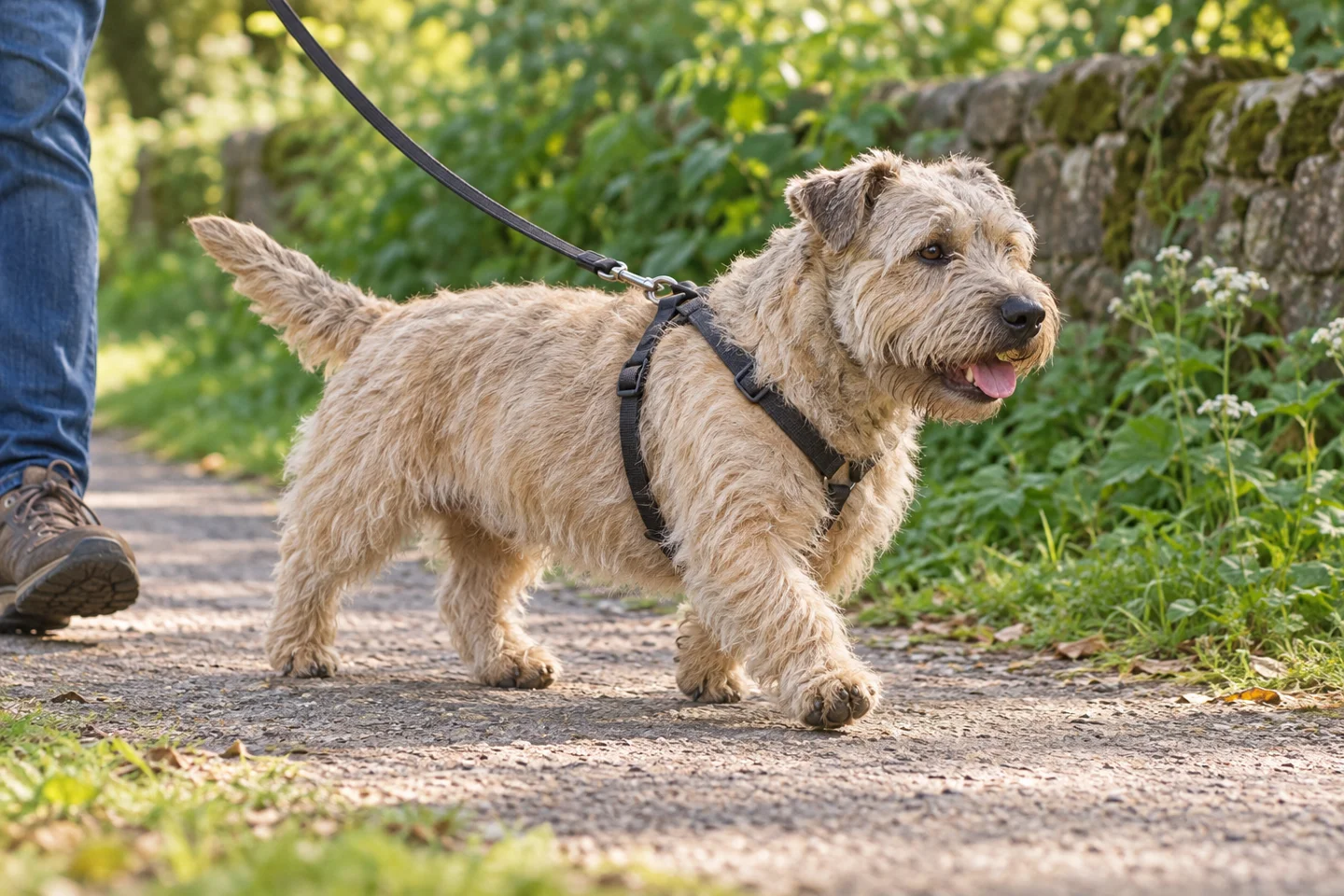
A terrier's historic work makes protection of smaller animals a practical priority. Ask what the individual has lived with, whether barriers were used, and how it responded to movement. A quiet encounter with a still cat cannot establish safety when that cat runs. Do not test the dog's control using a vulnerable animal that cannot escape. Arrange separate living areas where necessary, with secure access for feeding, cleaning, and routine movement through the home.
Inspect a garden at ground level. Look beneath gates, around sheds, and along soft edges where repeated digging could change an initially secure boundary. A person opening an access gate needs a plan that does not depend on remembering a spoken warning at the last moment. Practise returning indoors in quiet circumstances and reward it well. Outside the home, choose routes and equipment that prevent pursuit while training develops. Off-lead freedom is a decision about the individual and the location, rather than a milestone owed to every adult dog.
Other dogs and the chance to leave
Start dog introductions where each handler can create space. Let the animals investigate independently before considering closer contact, and watch the recipient of an approach. Repeated avoidance or attempts to move behind a person indicate a need for a break. A calm, brief walk may be a better first meeting than fast play. Neither silence nor an absence of fighting proves that both participants are comfortable with the same amount of contact.
If dogs will live together, plan beyond the outdoor encounter. Separate meals and valued objects during adjustment and provide independent resting places. A low, strong dog still needs a route through the home without being crowded by another resident. Watch doorways and access to favorite people as well as toys. If tension continues, obtain professional guidance rather than expecting the animals to resolve every disagreement. A successful arrangement allows both to rest and disengage, with management that every household member and substitute carer can use reliably.
Grooming a wheaten or brindle working coat
Ask a groomer familiar with the breed to assess the texture and demonstrate suitable maintenance. The approach should reflect the actual coat, skin, lifestyle, and dog's tolerance. Check furnishings and areas beneath equipment for debris or tangles rather than brushing only the visible surface. Tight mats and painful skin need professional attention. Scissors used near an unseen surface can cut skin drawn into a tangle, particularly if the animal moves during an uncomfortable procedure.
Introduce care as short cooperative sessions before a long grooming visit becomes necessary. Teach a stable position, reward calm participation, and allow pauses. Include nail and dental care rather than treating the coat as the entire maintenance task. Observe ears for pain, odor, shaking, or discharge and seek veterinary advice instead of deep probing or using leftover medication. Tell professionals about previous handling concerns when booking. A planned visit can accommodate the dog's needs more safely than discovering a serious difficulty after it is already restrained on a table.
Health screening and the exact DNA test
The AKC's Glen of Imaal Terrier recommendations list hip evaluation, elbow evaluation, ophthalmologist evaluation, a DNA test for the common degenerative myelopathy variant, and a DNA test for progressive retinal atrophy cone-rod dystrophy 3, or PRA-crd3. Ask for the specific result, dog identifier, and date rather than accepting a statement that a broad panel was clear. Different tests address different questions, and an eye-related DNA result should not be interpreted as covering every eye condition.
Discuss inheritance and clinical meaning with a veterinarian or the relevant health program. A genetic risk result is not interchangeable with a diagnosis in the individual, and normal screening cannot rule out every future illness. Ask about significant conditions in relatives and whether the source receives later owner reports. For an adult without ancestry records, preserve the gap and arrange care from current findings. A rare breed needs careful documentation, not invented prevalence estimates or a promise that limited reports prove a condition never occurs.
Food, body condition, and changes needing advice
Feed a complete diet appropriate to age, medical needs, and body condition. Measure a starting allowance and count food used in training, grooming practice, and medication. Ask the veterinary team to show a condition check beneath the coat. The male reference weight in the standard does not establish the right target for every dog, particularly a female or an individual of different build. Feed away from competition so the owner can observe intake and the animal can eat without pressure.
Record persistent changes in drinking, appetite, movement, skin, or behavior and seek advice. Collapse, breathing difficulty, or other severe distress requires prompt veterinary attention. Keep emergency contacts and transport arrangements available to carers. A substantial low dog may need assistance that an inexperienced person has not considered, so discuss safe support in advance. Store medicines, waste, and household hazards securely, including items in visiting bags. Prevention needs to account for changed access when guests arrive, a door is left open, or furniture is moved.
Mixes and judging the dog in front of you
A Glen of Imaal Terrier mix may differ in adult proportions, coat, activity, and behavior around other animals. A combined name cannot establish which traits will appear or guarantee freedom from inherited disease. Request relevant parent records where ancestry is documented and observe an adult's current behavior. A low, furnished dog is not necessarily a Glen cross; visual resemblance alone should not be treated as a confirmed pedigree or the basis for a health prediction.
Ask about ordinary transitions as well as favorite activities. Can the dog rest while people work, tolerate appropriate absences, travel in the intended arrangement, and accept a carer? These questions help identify support needs that an enthusiastic greeting may conceal. Match the plan to the evidence rather than the most appealing possibility. If important information is missing, discuss how it will be assessed and managed instead of converting uncertainty into a guarantee because the placement feels emotionally compelling.
Costs, backup care, and later-life planning
Budget for suitable training support, grooming advice, preventive care, transport, reliable help during absences, and emergencies. A smaller height does not make every bill proportionally small. Practise a handover with the intended carer while the owner remains available, demonstrating equipment, food measures, gates, and the usual route. Ask what was difficult and adjust the arrangement before relying on a long day away. General enthusiasm for dogs is helpful, but the actual routine must work with this individual.
Plan for changes in mobility and household schedule. A high vehicle entrance that is manageable today may need an alternative later, while stairs or slippery flooring may require review with a veterinarian. Teach comfortable handling and access skills early without assuming that the dog will always be able to do the same tasks. A home is suitable through the care it can deliver and adapt, not through a perfect initial photograph or the amount of affection promised on the first day.
dogsDating and careful first meetings
Describe the dog's actual social preferences on dogsDating, including relevant incidents and professional restrictions. Keep exact home coordinates private. Agree on a public location with space to leave and a route that avoids forcing the dogs through a narrow greeting. A handler should know in advance whether the intended meeting is a calm walk, a distant introduction, or something the other dog is not yet ready to attempt.
Begin with separate exploration and movement at a comfortable distance. Leave favored toys and food out of the introduction, and pause when either animal repeatedly seeks space. A short meeting can be enough. Finish if control or comfort becomes difficult rather than pursuing an idea of instant friendship. The result supplies information about those animals under those conditions. Sharing a home or making reproductive decisions requires separate planning and evidence; a relaxed walk cannot answer questions about indoor resources, medical history, or breeding suitability.
Sources and editorial notes
Sources checked October 21, 2026. Breed measurements describe reference ranges, not a diagnosis or an individual dog's ideal weight. Images are AI-generated breed illustrations and do not document a particular dog or health condition.
- VCA Animal Hospitals: Grooming and coat care for your dog
- VCA Animal Hospitals: Ear infections in dogs
- VCA Animal Hospitals: Common emergencies in dogs
- VCA Animal Hospitals: Food aggression in puppies
- VCA Animal Hospitals: Heat stroke in dogs
- VCA Animal Hospitals: Aggression toward unfamiliar dogs, diagnosis
- AAHA: Feeding plans for healthy, appropriate weight cats and dogs
- Orthopedic Foundation for Animals: CHIC health screening programs
- AVSAB: Humane Dog Training Position Statement
- FCI: Glen of Imaal Terrier official breed standard
- AKC: Terrier Group Health Testing Requirements
Keep getting to know dogs.
Read another guide or return to your dogsDating community.
Explore breed guidesBack to dogsDating