Norfolk Terrier
The Norfolk Terrier is a small, sturdy British terrier identified by its folded ears and wiry coat. Its convenient size comes with terrier curiosity, regular coat maintenance, and breed-specific cardiac, eye, and patella screening questions.
How these guides are researched and reviewed
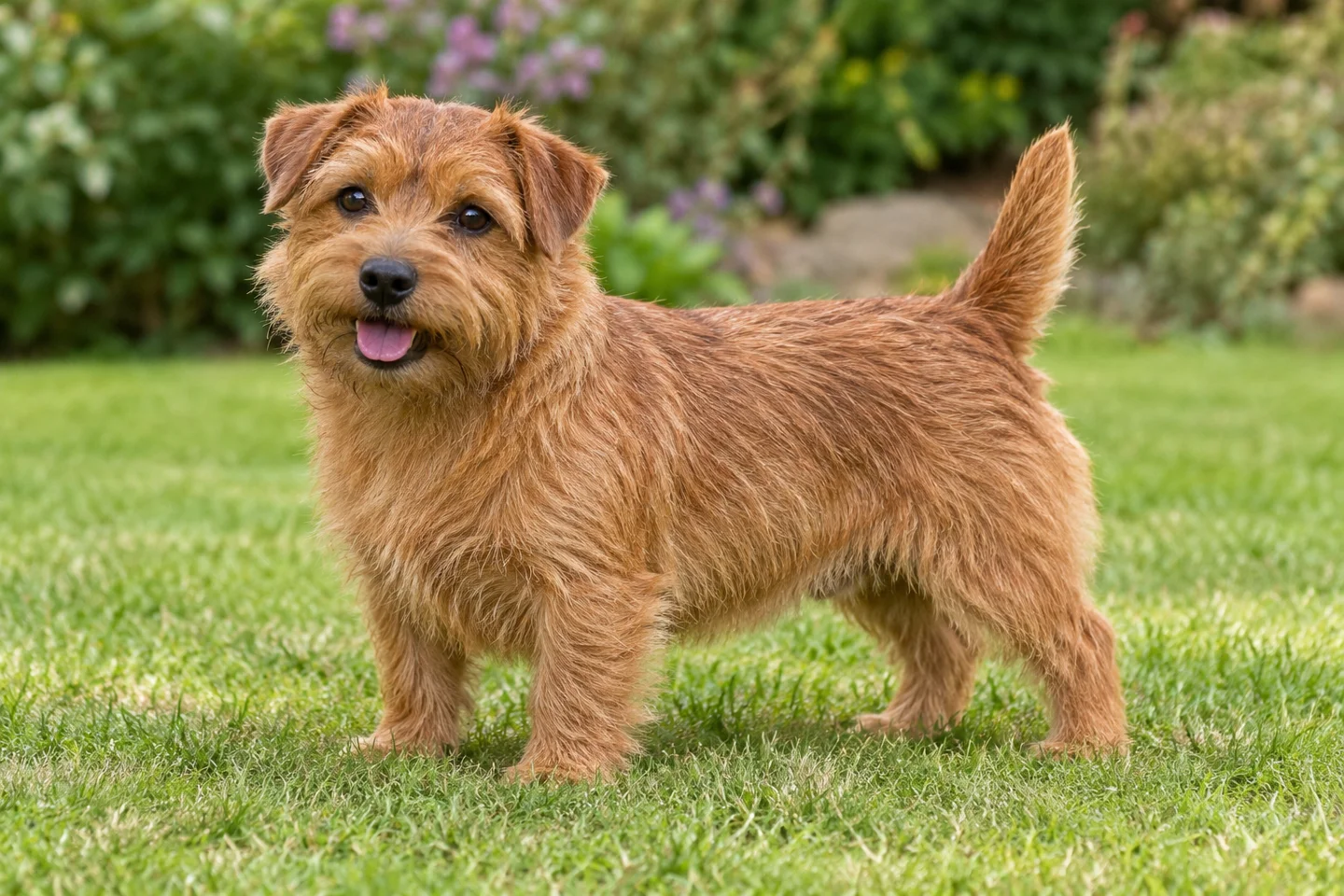
- Origin
- Great Britain
- Adult standard size
- Ideal height 25 cm
- Illustrated coat
- Red wiry coat
General information for owners. These articles have not been reviewed by a veterinarian. Medical decisions need your dog's history and an examination.
The drop-eared Norfolk Terrier
The Norfolk Terrier and Norwich Terrier are separate breeds. The Norfolk has folded ears that drop forward near the cheeks; the Norwich has upright ears. Their shared history can make the names confusing, so check the actual registered identity of a puppy and its parents. A dog with folded ears and a red coat is not automatically a Norfolk. For a rescue identified from appearance, keep uncertainty about ancestry separate from confirmed information about the individual.
A Norfolk is small enough for convenient transport while remaining a physically active terrier. Its interest in a hole, scent, or moving animal deserves the same practical planning you would give a larger dog. Inspect boundaries and think about the daily walking routine before selecting equipment or coat color. Meet adults and ask about ordinary behavior, including how they cope with handling, visitors, and being alone. A photograph of a neatly groomed terrier cannot show whether the animal suits the life you can reliably provide.
Adult size, coat, and full-tail illustrations
The current FCI standard gives an ideal height of 25 cm at the withers. It describes a low, compact dog with good substance. The number is a conformation reference, not a reason to limit a puppy's food or disregard an adult's body condition. Ask the veterinarian to show you how to feel the ribs and assess the waist beneath a wiry coat. A short dog can gain excess weight without looking dramatically different in a standing photograph.
Recognized colors include red, wheaten, black and tan, and grizzle. This guide's AI-generated illustrations choose red, natural folded ears, and a full tapering tail. The images cannot prove pedigree, working ability, or clinical health. When meeting a real dog, observe its movement and ask about past treatment. If you are comparing a groomed adult with a soft-coated puppy, remember that appearance changes with development and maintenance. Ask to see ordinary home photographs as well as a formal presentation, while using original records for questions that pictures cannot answer.
Terrier curiosity in a household
A Norfolk may readily investigate a dropped crumb, new visitor, or sound behind a cupboard. Give that curiosity safe outlets through walks, searches, and brief learning games. Also teach what happens when the household is quiet. Reward resting on a comfortable bed while people move nearby, beginning with an easy duration. Continually interrupting sleep to entertain visitors can make it harder for the dog to develop a calm daily rhythm.
Prepare manageable time apart and introduce a suitable carer before a long absence becomes necessary. A sociable dog may still struggle when its familiar person leaves. If it vocalizes persistently, paces, or cannot settle, discuss the pattern with veterinary and behavioral professionals rather than automatically adding another animal. For a new adult, allow adjustment and observe ordinary recovery after activity. A lively greeting does not reveal the whole personality, and an inhibited first meeting does not establish permanent quietness. Gather information across several contexts so the care plan follows the actual dog.
Training for small gaps and quick decisions
Teach waiting at an entrance before the dog discovers that opening doors predict an opportunity to leave. Use a second barrier while practicing and reward staying with the handler as the door moves. Work gradually instead of testing the puppy beside a fully open gate. Make sure visitors and delivery arrangements support the same routine. A dog small enough to pass through a narrow opening needs boundaries checked from its own height.
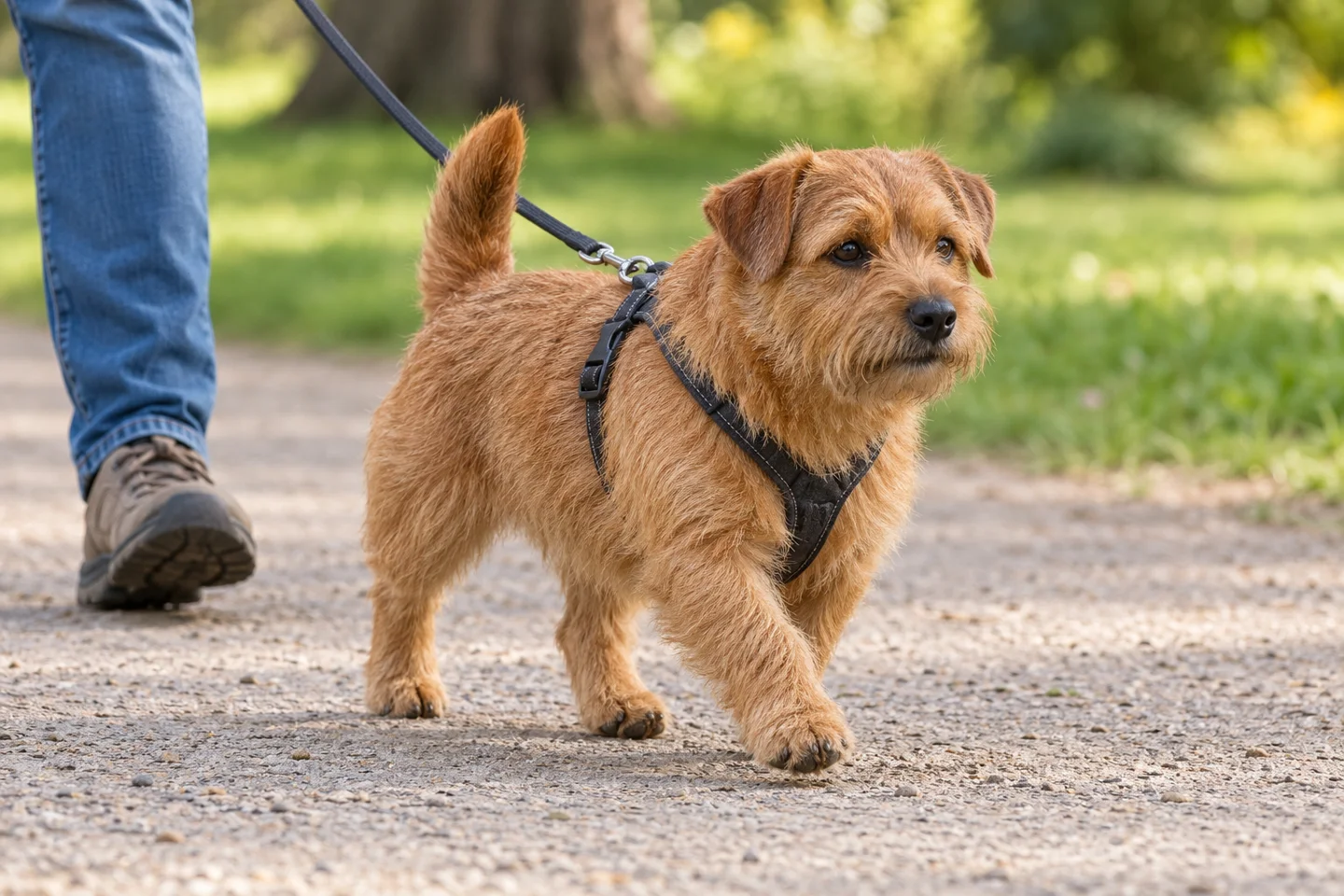
Useful skills include returning when called, turning away from a distraction, and releasing an object for a reward. Begin in secure easy surroundings and introduce difficulty in stages. Keep walking equipment suitable for the dog's actual fit, checking it after growth or changes in condition. A reward-based professional can help when the dog becomes too distracted to respond. Ask how they handle frustration or fear rather than choosing on promises of immediate obedience. A routine that depends on frightening the dog may suppress a visible response while leaving the underlying problem unresolved.
Use the same care around car doors. Fasten the lead before allowing the dog to step out, and rehearse the sequence somewhere quiet. A small animal can disappear behind a parked vehicle before a distracted person has collected its equipment.
Exercise, digging, and a safe routine
Provide regular walks with time to investigate, together with play and learning suited to the individual. A garden can offer convenience without supplying enough variety on its own. If digging is enjoyable, a designated supervised area may provide an outlet while you block unsafe locations. Avoid access beneath sheds or into unknown holes where retrieval would be difficult. Small size makes some hazards easier to enter, not less consequential.
Build physical demands according to maturity, health, and current fitness. A dog accustomed to short outings may need gradual preparation for a longer route. In warm weather, adjust timing, carry water, and check surfaces. After rough or wet ground, inspect paws and the coat. Seek assessment when a familiar walk becomes difficult, the dog changes its stride, or recovery is unusual. Terrier enthusiasm should not become a reason to overlook discomfort. During restricted exercise, ask the veterinary team which quieter tasks fit the medical plan rather than replacing outdoor running with equally energetic indoor games.

Aggression and avoiding forced contact
An alert terrier's expression does not tell you whether it welcomes a hand reaching over its head. Watch the situation and the whole body. A dog resting under furniture, holding a chew, or experiencing pain may need more space. If it becomes still, retreats, growls, or snaps, stop and change the interaction. Do not punish a warning while continuing the same pressure that produced it.
Teach object exchanges with safe items and prevent access to repeatedly troublesome objects. Children and visitors should ask an adult for help rather than chasing the dog. New reactions during grooming or lifting deserve medical consideration. A bite history requires honest disclosure and an individual management plan with appropriate professional support. Explain the sequence, including whether the dog could leave. A breed description cannot certify an individual's safety, and a small dog can cause injury. Reliable barriers and changed routines can prevent another incident while the household works on the cause instead of repeatedly testing tolerance.
Children and respectful companionship
Adults should arrange contact that remains comfortable for both dog and child. A child can help with a simple search or reward a familiar cue while the adult supervises. Carrying, hugging, and following the dog into its bed may create pressure it cannot easily escape. Invite interaction at floor level and accept the dog's choice to leave. Protect meals and sleep with separation when needed.
Ask about the actual ages and situations a prospective dog has experienced. A good encounter with an older child provides different information from living with a toddler. Visiting children need instructions before access, especially during noisy games or a party. Watch for avoidance rather than waiting for a growl. If either participant is frightened or overwhelmed, end contact and reassess the arrangement. The dog should never be used as a forced confidence exercise. A familiar breed reputation can guide questions, but the plan must follow this dog's history, observed responses, and the adults' ability to supervise reliably.
Cats, small pets, and canine friends
Terrier identity warrants care around small animals. A dog accustomed to one cat indoors can respond differently to an unfamiliar running cat outside. Provide secure separation while assessing behavior and reward disengagement. Cages should be beyond the dog's reach, not left where it can rush or paw at them repeatedly. The smaller animal's stress matters alongside the dog's interest, and a forced introduction can be harmful even when nobody is bitten.
For dog companions, choose behavior that suits this individual. A larger dog's enthusiastic chase may overwhelm a Norfolk, while a Norfolk can also pester an unwilling smaller partner. Look for pauses and voluntary returns to interaction. At home, feed separately and protect individual resting areas during adjustment. A calm outdoor greeting cannot establish comfort over every resource. If dogs repeatedly block or pursue each other, intervene and change the setup. Seek help before allowing serious conflicts to recur. Matching breeds or body size is less informative than observing whether the animals can share the proposed routine comfortably.
Grooming a hard terrier coat
A Norfolk's wiry outer coat and undercoat require practical maintenance. Work gently through areas where friction collects tangles, including behind the ears and around the legs. Ask a groomer experienced with terriers to demonstrate suitable tools and explain clipping and stripping in relation to your dog's coat, comfort, and any show plans. The goal for a companion is manageable healthy skin and hair, not a presentation routine the household cannot maintain.
Avoid pulling stubborn knots while increasing restraint. Painful matting may require professional removal. Check paws after outdoor activity and observe the ears for persistent odor, discharge, or head shaking. Do not insert implements into the canal or choose treatment solely because another terrier owner recommends it. Nail care and dental brushing need their own gradual training. A dog that suddenly avoids a previously comfortable task may be sore. Record which area causes concern and ask for veterinary assessment when appropriate. A neat outer outline should not conceal inflamed skin, an uncomfortable mouth, or nails that interfere with normal movement.
Health screening and cardiac detail
The Norfolk Terrier Club's published statement discusses specialist eye assessment, patella evaluation, and cardiac screening, with further optional testing. Its cardiac detail includes a cardiologist examination with Doppler ultrasound. Confirm the current program with the organization and ask what was actually done for the parents. A general veterinary check and a specialist report are different evidence, and a badge should lead to reading results rather than ending the conversation.
Keep the clinical history in view as well. Ask about affected relatives, diagnoses made later in life, and how new information will be shared after placement. Screening does not guarantee that a puppy will never develop illness. If exercise tolerance, breathing, or usual activity changes, arrange assessment instead of relying on an old favorable result. Likewise, a change in movement should be investigated rather than explained from the breed name. For a rescue without complete paperwork, your veterinarian can establish a useful baseline and decide which additional information will influence care. Missing records should remain an acknowledged limitation, not an invitation to invent certainty.
Nutrition and noticing small changes
Measure a complete diet appropriate to life stage and review body condition regularly. Small rewards from several people can provide a substantial amount beyond the recorded meals. Agree how treats are allocated, particularly during training. Ask the veterinary team to demonstrate assessment beneath the coat so the feeding plan does not depend entirely on a scale or visual guess. A dog's ideal condition is individual even when the breed has a clear height reference.
Record changes in appetite, drinking, toileting, or weight. Those details help a clinic assess a concern more effectively than a general description that the dog seems older or quieter. Avoid adding supplements without a specific reason and professional advice about the whole diet. If a medical food is prescribed, ask which rewards and chews fit the plan. Secure rubbish, food packaging, medication, and tempting items in visitors' bags. A small terrier's ability to reach something should be judged through actual household observation rather than assumptions based on shelf height or the previous dog's habits.
Mixes, sourcing, and recurring costs
A Norfolk mix can have a different coat, size, or response to animals from the parent shown in an advertisement. Crossbreed names do not establish a predictable variety or guarantee freedom from inherited conditions. Ask what is known about both parents and assess the individual. Detailed observations from a foster home can be particularly useful for an adult whose ancestry is uncertain but whose daily preferences are well understood.
Obtain local costs for grooming, preventive care, dental work, training, transport, and care during absences. Include emergency assessment and read insurance exclusions and continuing-condition terms. Consider who will maintain the coat and walking routine if you become ill. A responsible source should discuss handling, containment, screening, and support if difficulties arise. Rarity or a waiting list is a poor reason to accept vague records. A sustainable placement depends on the match between the dog's needs and the household's reliable resources, including time and practical help as well as the money available at the initial purchase or adoption.
A dogsDating walk with a clear exit
Describe the individual Norfolk on dogsDating: its preferred pace, comfort with larger dogs, and response to toys or crowded greetings. Choose a public meeting route with room to step aside. Start with parallel walking, allowing each handler to manage distance. A quiet shared walk can be worthwhile without immediate nose contact or loose play. Ask the other handler to interrupt pursuit if your dog repeatedly seeks shelter.
Keep exact user coordinates private. Approximate discovery and an agreed public landmark can support planning without exposing the home entrance or daily absence schedule. Check photos for identifying information. End the meeting when either dog remains tense, avoids the encounter, or cannot recover after more space is offered. Record useful observations so another introduction can begin under easier conditions. The fact that two people matched online does not create an obligation for their dogs to become play partners. The dogs' behavior and the handlers' practical control should determine what happens next.
Sources and editorial notes
Sources checked October 22, 2026. Breed measurements describe reference ranges, not a diagnosis or an individual dog's ideal weight. Images are AI-generated breed illustrations and do not document a particular dog or health condition.
- AVSAB: Humane Dog Training Position Statement
- VCA Animal Hospitals: Food aggression in puppies
- Orthopedic Foundation for Animals: CHIC health screening programs
- VCA Animal Hospitals: Aggression toward unfamiliar dogs, diagnosis
- VCA Animal Hospitals: Grooming and coat care for your dog
- VCA Animal Hospitals: Ear infections in dogs (otitis externa)
- AAHA: Feeding plans for healthy, appropriate weight cats and dogs
- VCA Animal Hospitals: Heat stroke in dogs
- AVSAB: Puppy Socialization Position Statement
- VCA Animal Hospitals: Dog behavior problems, aggression toward children
- American Kennel Club: Terrier group health testing requirements
- Norfolk Terrier Club: health testing statement
- Fédération Cynologique Internationale: Norfolk Terrier official breed standard
Keep getting to know dogs.
Read another guide or return to your dogsDating community.
Explore breed guidesBack to dogsDating